Are You a Bush or a Pine? Or, What Kind of Tree Does Your Business Architecture Look Like
How do you tell whether a product has good organizational architecture? Try looking at it as a value delivery chain. Let's work through the details with a metaphor about trees.
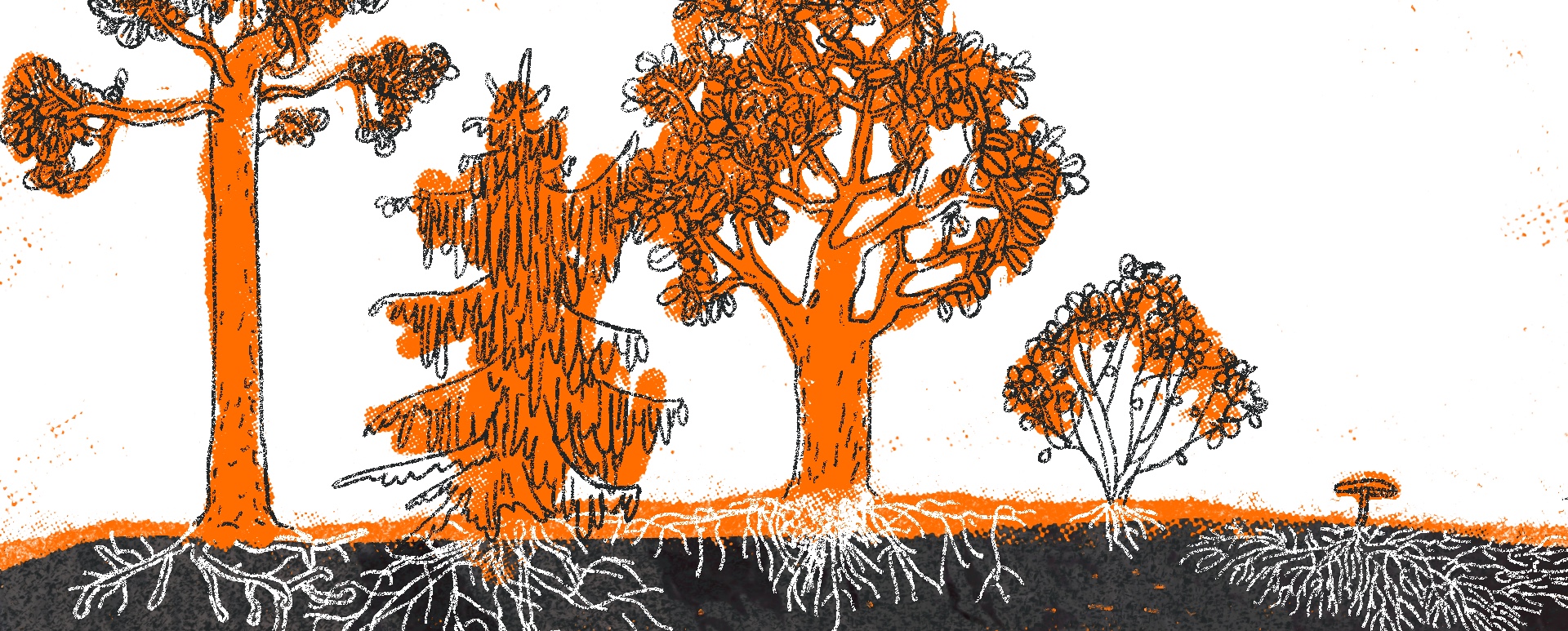
Imagine your product is a tree. Users see what’s above ground: interfaces, customer-facing processes, the product itself, advertising. That’s the trunk and the branches. And that’s the main value the product creates.
Below ground is your back office — the internal processes your employees run: production, legal, financial. Every business has its own version of this, and it’s enormous. Those are the roots — customers don’t see them.
Now let’s look at what kinds of trees there are.
Pine
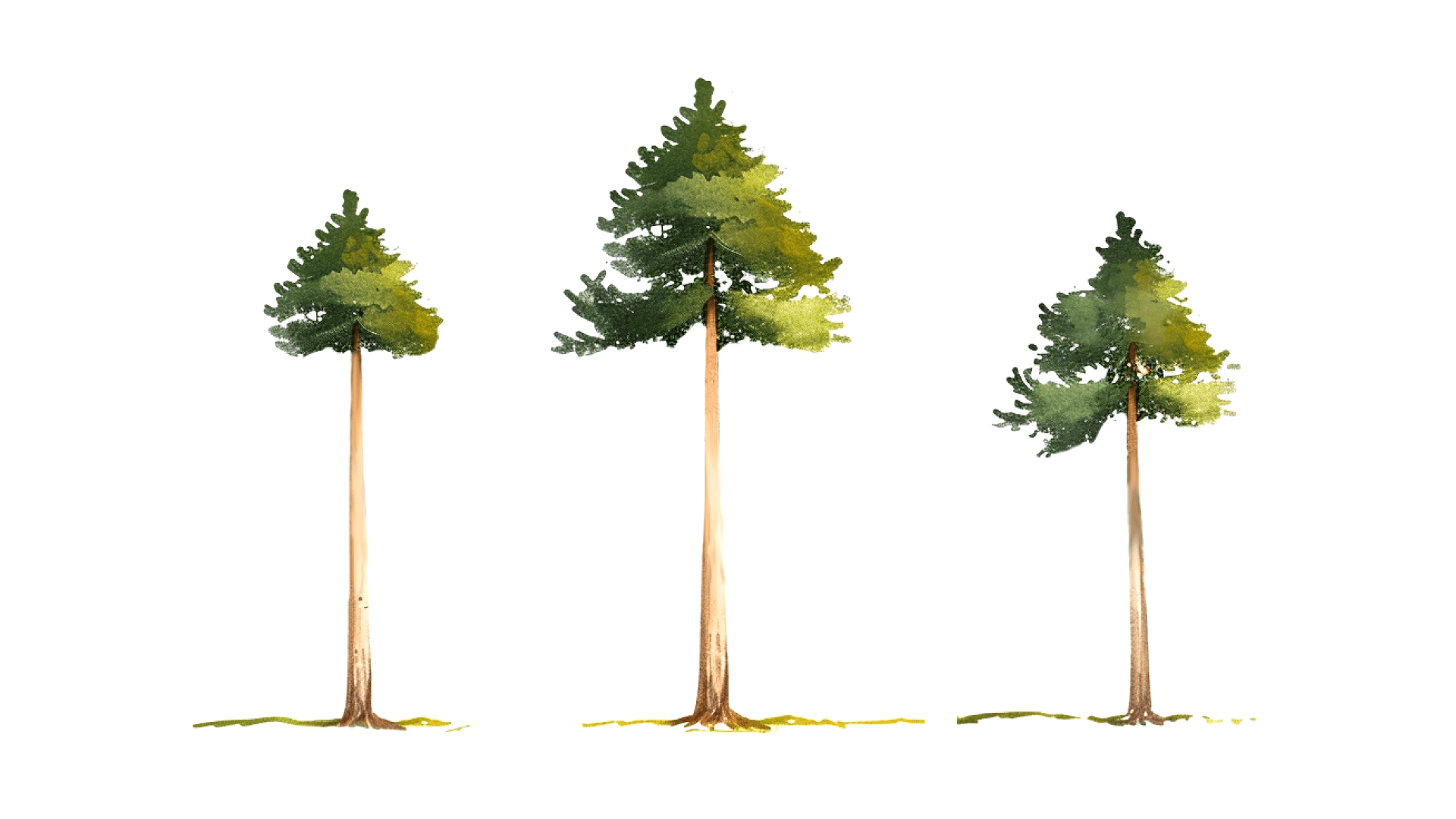
A pine has a clearly expressed trunk — you can see it has a central axis that everything is built around.
While a pine is growing, it’s very slender, and it always has an obvious aspiration in one direction — upward, where its crown is. It knows its place in the market, it has a solid foundation, and it directs its resources into growing a dense crown. A pine’s crown is value delivery.
A pine gives everything most important to its customers. It has a clear concept and, in fact, a not-very-deep root system. That’s why pines are easy to uproot and grow fast.
An example of this architecture is a search engine. It answers visitors’ questions. It has a pronounced main screen where the user gets their main value — an annotated list of links to sites. The more relevant those results are to the query, the better the search engine is, and everything else — Yandex Market, Google Photos, Maps — is already additional branches that grow later and lean on the trunk.
Spruce
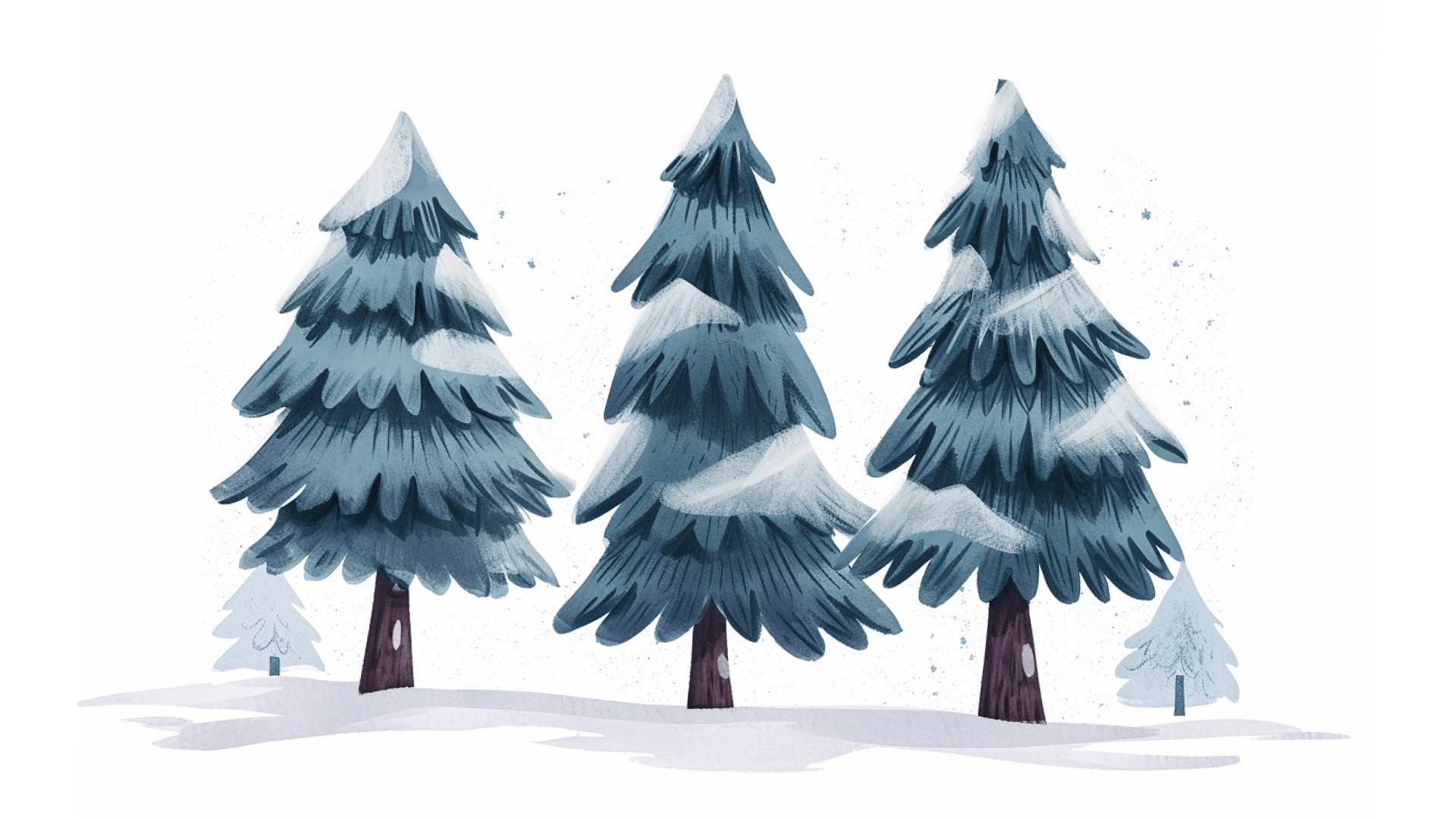
A spruce also has a single trunk, but it has many side branches that start growing right from the bottom. Looking at a spruce, we don’t see the trunk, but we can tell exactly where it is.
There’s an assumption inside my metaphor here: in real life a pine doesn’t turn into a spruce over time. But in a product, if you had a pronounced axis you were growing along, then later branches appear all over the trunk — because wherever the value stream is, you want to widen it.
For example, the iPod was once the first streaming service in physical form. It was a device for listening to music, with access to the store. Which means the iPod is a pine. The iPhone, though, was built around the store from the start, and the store had many programs from the start. It even had a slogan: “There’s an app for that.” So the iPhone is a spruce.
Oak
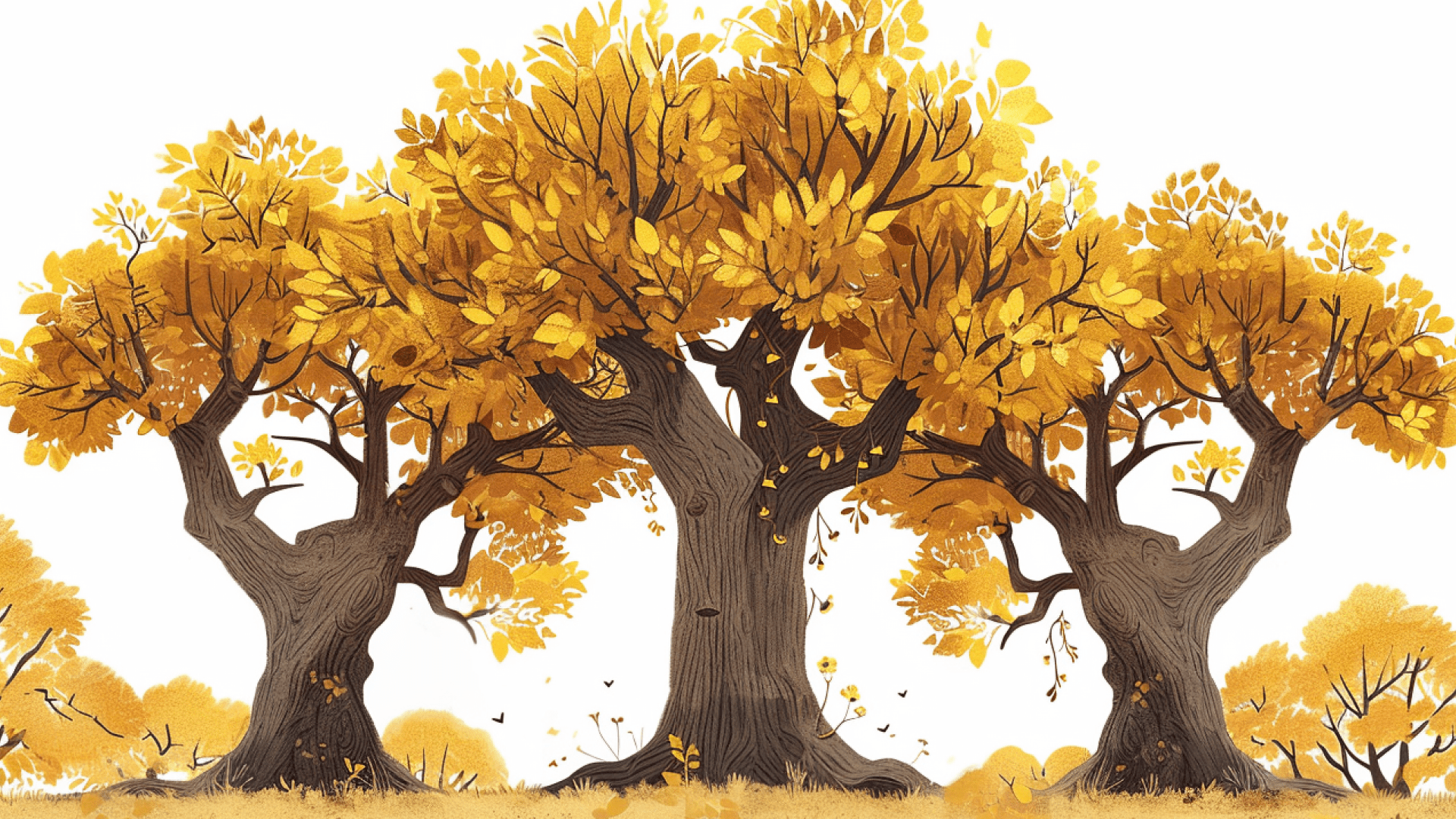
With an oak, everything is complicated: the road was laid wherever the cow happened to walk. It’s not very clear what the original intent was, which direction the oak wanted to grow. Sometimes its branches are so massive they look like separate trees.
An example of an oak is the business of a large holding company. It has different huge processes, they all have their own automation, in some places they’re very tightly coupled and in others completely separate.
And this is even harder than a pine. Because it’s not very clear whether a new offshoot fits into the product concept, and whether we’ll be able to present all of it as a process where we load raw material in at one end and get money out at the other, and it flows as one big river. But viable oaks do exist.
Bush
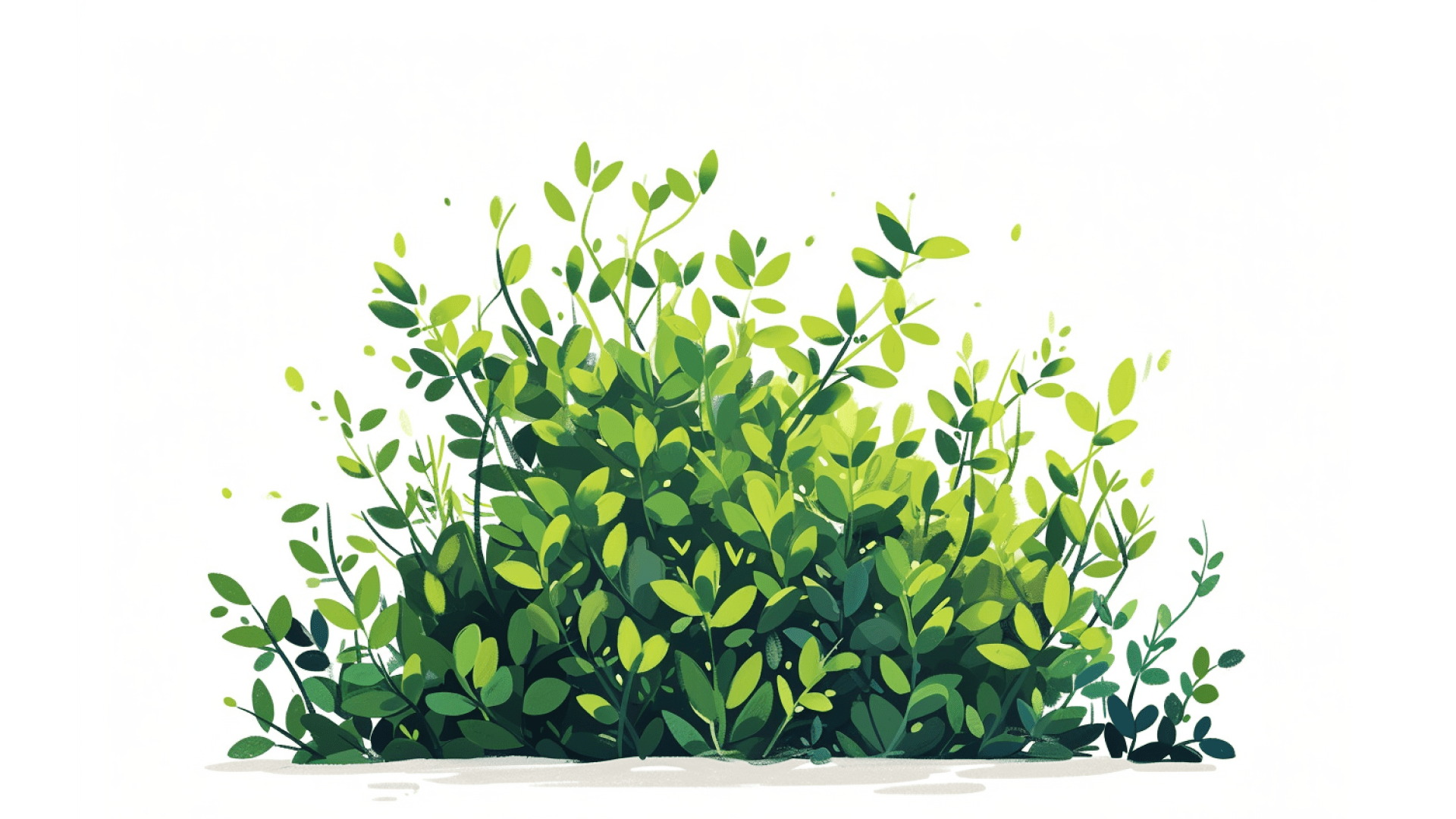
This is the most common architecture, because a bush doesn’t need a concept and is easy to design: everything grows any which way, you just have to do something. Felt like it — grew it. A branch broke off — well, screw it, we’ve got plenty of those.
What’s bad about bushes? They have no focus, they never get very large, it’s hard to capture a market with them, and they don’t have a very long lifespan. On the plus side, you don’t have to suffer over the concept.
I can’t give a well-known example of a bush business — enterprises like that don’t have any particular recognizable concept. It’s just a set of random initiatives, most often small and local.
My first job was at a holding company that included a wholesale vegetable warehouse, an IT system, a taxi company, two travel agencies, and two web studios. I bet you don’t know its name!
Mushrooms
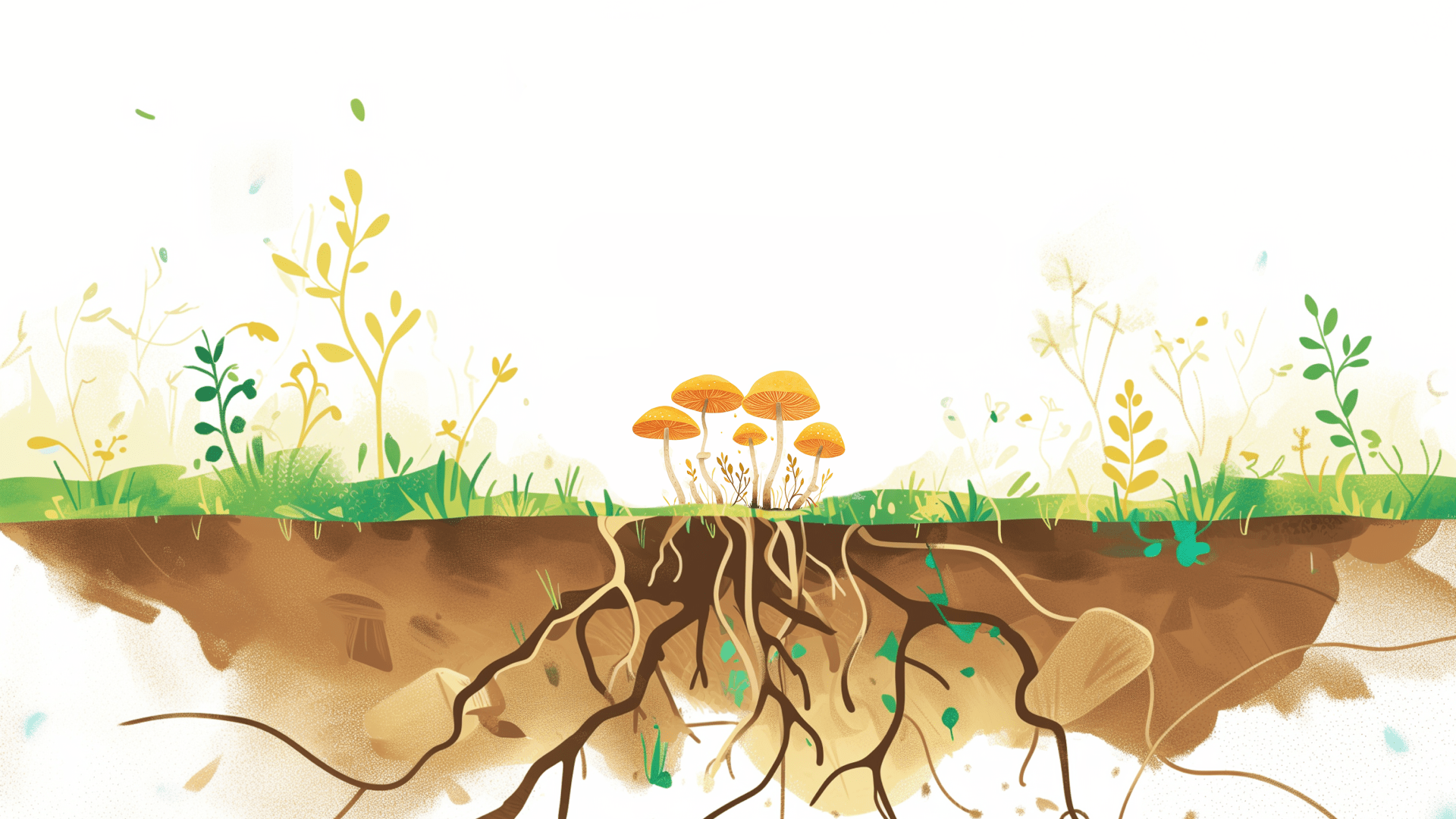
Mushrooms are worse than bushes. This is the favorite genre for carving up a budget: customers see a little nub on top, everything else is underground and very branched out. There’s no customer interaction, value doesn’t particularly flow.
Mushrooms grow when either you didn’t want to do anything from the very beginning and the goal was to get paid for the size of the mycelium, or you wanted to make a pine but the focus was below ground instead of above it. Don’t be like mushrooms.
Who’s the best in this forest?
An example of good architecture is the pine. Be like a pine. And then, with age, you may become a spruce. The most important thing is: don’t become a bush, and above all don’t be mushrooms.
Can you grow a pine where the mushrooms were?
Of course you can. Just don’t think that mushroom roots are pine roots. You simply have to plant a pine in place of the mushrooms. Maybe someone out there knows how to grow a slender concept out of processes that were built for a different task. But not me. If you rework something old, at best you’ll get a bush. And more likely you won’t even make it out into the market at all.
How do you recognize good architecture?
In my view, good architecture has a core process. If we can’t see it, if we can’t show the structure as a value stream — then most likely our architecture isn’t the best.
A viable, durable architecture has a pronounced trunk, and in this case the trunk is the main stream of value delivery.
I use the tree metaphor to illustrate a simple idea. A vision of a business should be based on one key process — value delivery. It’s fine if we change the ways we deliver. But if we want the business to develop, we have to have a clear picture of our audience and our value.
If you’re having trouble figuring out which tree matches your product — write to us on Telegram: @jetstyle_bot! We’d be glad to keep you company doing some botany)