Games, Business, and Interfaces
This article is assembled from my lecture «Designing Experience in Live Games», which I gave at an event for Sberbank designers and later to my own staff at JetStyle. It's about experience design understood more broadly than in interfaces.
This article is assembled from my lecture “Designing Experience in Live Games,” which I gave at an event for Sberbank designers and later to my own staff at JetStyle. It’s about experience design understood more broadly than in interfaces.
Spoiler. The author’s main idea is this: everything I do (running a business, designing interfaces, and making games) is actually all one and the same thing. What I do is design people’s experience. Now I’ll talk about how live games are built and what tools I found in them and use when designing interaction in business.
What a Game Is
A few classic definitions
A game is a series of interesting choices. — Sid Meier, creator of Civilization
In business we don’t want to end up in a situation where the choice is interesting. We want the choice to be unambiguous. An interesting choice is a hard one, it’s easy to get it wrong, and that’s not usually what we want in business.
You’d think this also isn’t the situation we should put the user in. For example, if you conceive an interface as a series of interesting choices, in most cases that turns out to be an ineffective solution. Unless it’s Tinder.
A game is the voluntary effort to overcome unnecessary obstacles. — Bernard Suits, philosopher
People come into a game specifically to feel the pleasure of managing to overcome obstacles. The obstacles themselves are artificial, but the experience of overcoming them is real.
This definition resembles business more than the example with difficult choices does. Especially if the business is organized in some stupid way. Still, neither in an interface nor in business do we seem to try to create unnecessary obstacles. Although, if you dig in, we’ll find a mountain of exceptions — but we’ll dig in a bit later.
A free activity standing quite consciously outside “ordinary” life as being “not serious,” but at the same time absorbing the player intensely and utterly, connected with no material interest, and no profit can be gained by it, proceeding within its own proper boundaries of time and space according to fixed rules. — Johan Huizinga, philosopher
This is the long and most classic definition. Nobody is capable of memorizing it, and neither am I. So I’ve highlighted the things in it that seem important to me.
The Signs of a Game
Let’s extract from these definitions the signs of a game that apply to business tasks.
1. A game happens inside the boundaries of the “magic circle” — it is outside real, ordinary life
A terminally important sign, without which a game isn’t a game: people have to understand where it begins and where it ends.
In developer slang this is called “the boundaries of the magic circle”: when someone enters a game, they understand that they’re entering a space built according to certain rules, they accept those rules, and they know they can exit this story.
2. Participation in a game is voluntary, for pleasure
This one and the first one are mandatory; everything else can vary. I’ll explain why later.
3. The game itself is a manifestation of the player’s freedom
If you don’t let a participant, as an acting character, make free decisions, if they can’t express their personality through action — their game zone disappears. It turns into theater or cinema, where nothing depends on them.
For a game to remain a game, something has to depend on the player. That something can be very broad, as it is in open-world computer games. Or very narrow, as in Flappy Bird, where all you can do is make the bird go up and down. Some freedom has to remain with the player.
And three more signs, which I’ll also talk about later.
4. A game is played for the sake of interest
5. A game has an internal order set by rules (or other conventions)
6. A game has unnecessary obstacles and risk, which people take on for the sake of winning
Why am I giving this so much attention? Everyone understands what a game is very differently, interpreting it more broadly or more narrowly. And before approaching something (a business, an interface, an institution) as a game, it’s worth making sure how much it can be a game. My approach is roughly this: the more of these signs there are, the more arguments there are for approaching it as a game. And vice versa.
Types of Games
Games come in all sorts — board games, computer games. I work with live-action games. That’s when people model a situation and behave in it the way their characters would. And they determine their actions themselves: they look for the motive themselves and choose the method themselves from the available arsenal.
Live games are run for pleasure and split into artistic and applied ones.
Artistic games
My colleagues and I who organize games have lately come to look at artistic games as art rather than entertainment, though it all started the other way around. Like any other art, artistic games are made so that the organizers — the game masters — together with the players can realize their intentions and take joy in it.
How is this similar to what we do in ordinary life and in business? When we make a business, or a product, or some non-commercial project, we as organizers have an intention. That intention will be embodied in the behavior of other people. That behavior is free, they will manage it themselves, within the frames we offer them. And what we end up with is always created by the joint efforts of the owners of the business, of the system, and of its participants.
Applied games
Applied games are made so that as a result players get some benefit outside the game. For example, they learned a skill in the game, designed or tried on some interaction, tested themselves in team roles and figured out who handles what better.
Also, a game like this is a way to voluntarily understand your attitude toward what’s happening, to take your own position. This is the most useful thing you can do with a game as an applied tool, because there’s no damn way to get position-forming any other way. Well, not counting a real crisis in real activity, but that’s a very expensive way to learn.
Common features
- In both artistic and applied games, we appropriate a position — an attitude toward the situation as a result of lived experience. When a person feels that the experience that happened to them can be used by them going forward. And they have a relationship to that experience, they form an intention about how to behave in similar situations.
Personally, I go into games for new good questions that I find interesting to answer. A good question is one you want to answer but can’t.
- A game is a form of collective thinking and action. It’s an experience that players live through together.
Time in a game is much denser than in life. In ordinary reality, a comparable density of events happens only in extreme situations, when everything is on fire or when something genuinely terrible has happened and you have to take a great many urgent actions together and feel a lot of emotions. You’ve surely felt how, coming out of such trials, you become closer to each other. Maybe friends. Maybe a team. Why is that? Because you’ve acquired a shared experience — something you went through together, toward which you have a common attitude.
A game in this respect is a way to get the same effect without paying the same price. You don’t have to risk your business, your life, or your health. You can get equally intense experiences through the shared experience of a game.
- The prizes and rewards — the good questions, the position, the experience, the joint decisions — did not exist before the game. They were found by the players together, inside the game, as a result of personal or collective experience. They weren’t there ready-made.
That means that although the organizers of a game have an intention, it still gets transformed and reinterpreted by the players. Players take out of a game something not quite the same as what the masters put in.
You can’t just say before the game: “Well, look. In the game you’ll discover the following conclusions, just take them and that’s it.” It doesn’t work that way. More precisely, you can, but then the game isn’t any more useful than less interactive tools. Because conclusions that weren’t obtained through your own experience are much less valuable. They belong not to the person they were given to, but to the person who extracted them from their own experience.
The Tools of Experience Design
These aren’t all the tools I use, just the three main ones. I’ll use them to show the parallels with UX design and business.
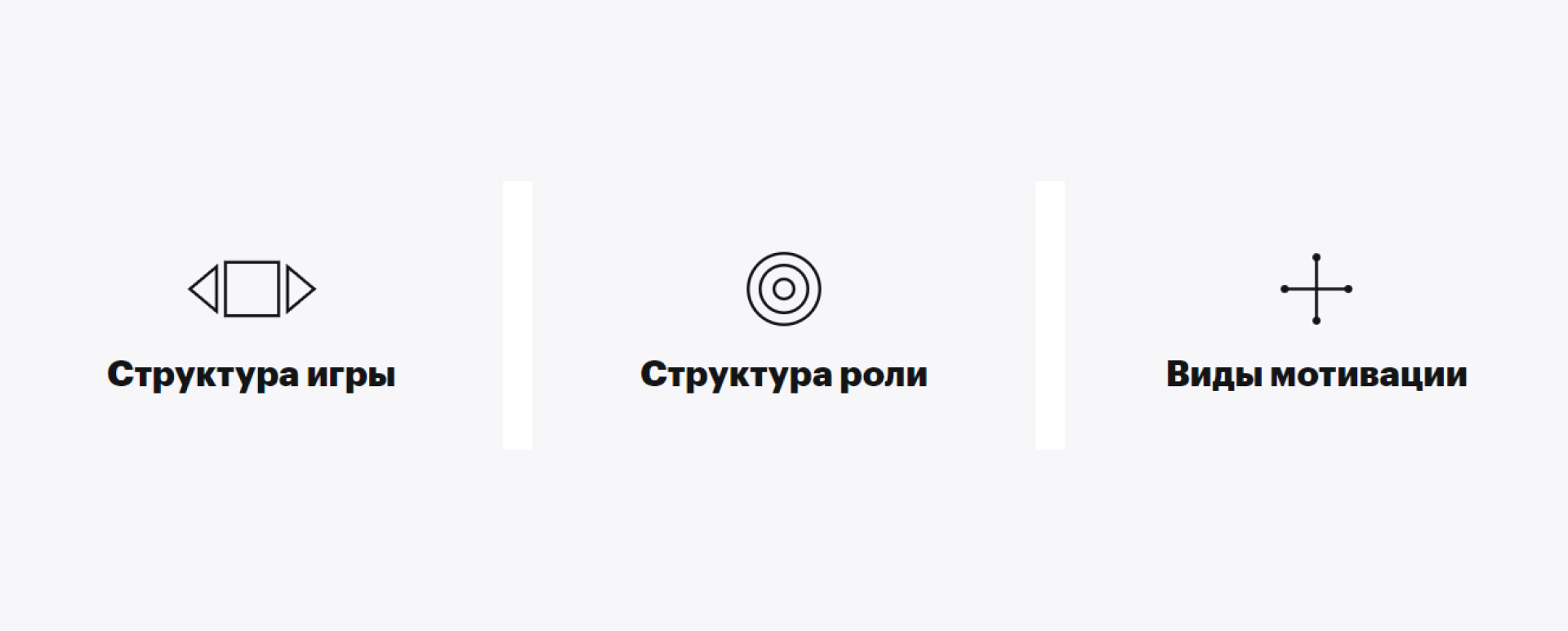
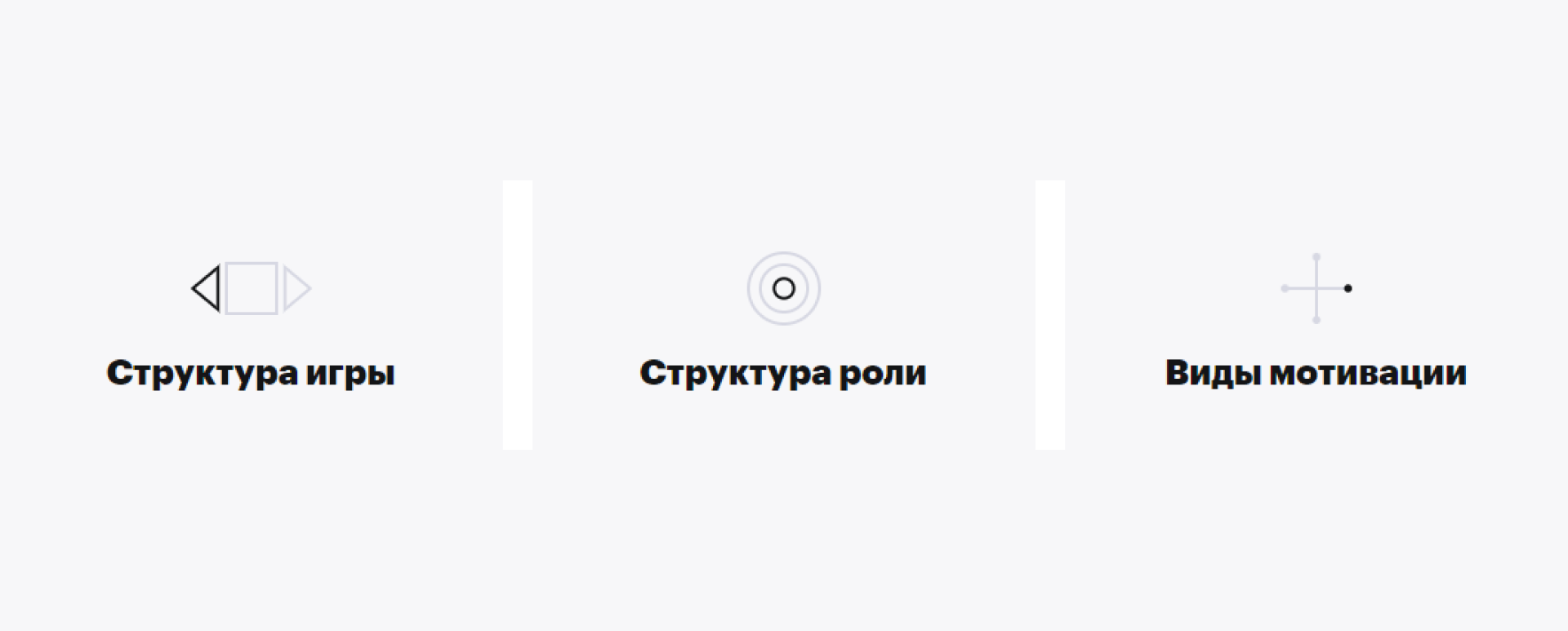
Tool 1 — the structure of a game
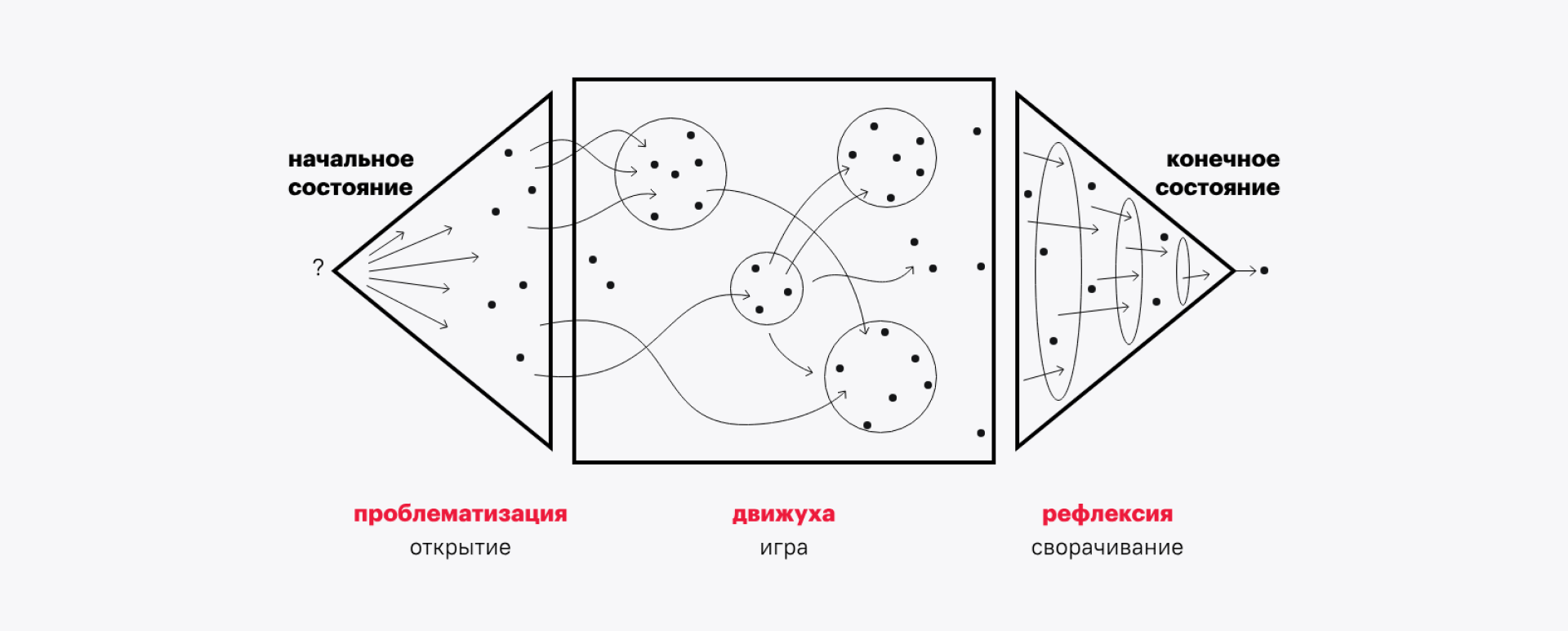
This is the structure of any interactive activity whatsoever. Interactive means:
there is intense interaction between the parties in the activity,
it represents a coherent intention,
and it is aimed at making something valuable, useful, or meaningful happen to people.
The structure rests on this triad: the opening event, the action itself, and the gathering event. In our slang this is called problematization, the buzz, and reflection.
I took the candy-shaped diagram from the book “Gamestorming.” A very sensible book, by the way. If you want to find some simple quasi-game formats for business, it’s the best thing written in Russian so far, even though it’s a translation. It will let you understand how to use small games for work situations.
We have a lot of conclusions similar to the ones in that book, which we arrived at ourselves, a bit differently. But we never got around to collecting them into a book, and the authors did collect a decent set of applied games. So the diagram itself is from there, and the triad is our own.
Problematization
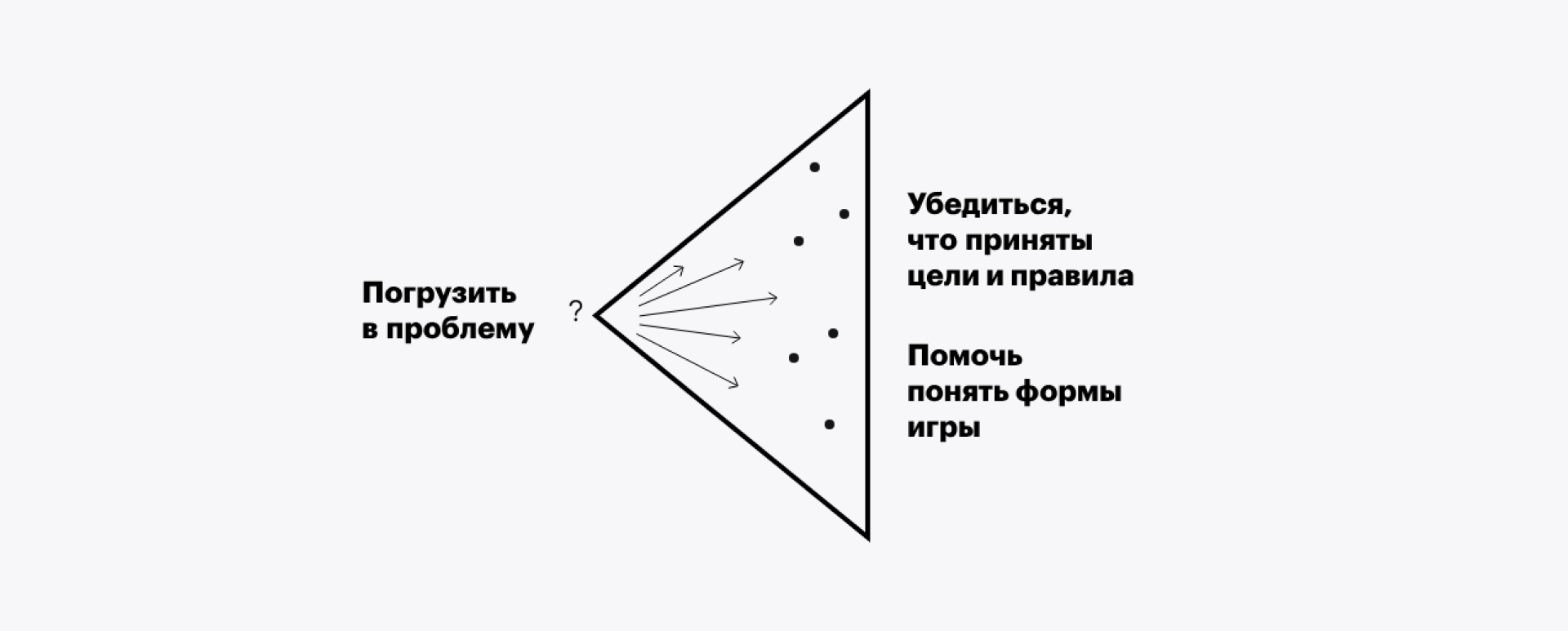
Immerse people in the problem
Every game is devoted to some hang-up. It isn’t necessarily given in the language of a problem. There’s simply the thing we consider important in this game, the thing and the mood in which we’re proposing to play, why we’re doing it, and so on.
It can be an event already happening in the game or one that happened before it. We can tell the players directly or run them through a questionnaire. Or we can just devote the first third of the game to it.
Problematization is needed so that a person understands: here’s the focus of attention they’re being invited to play about. Here are the goals they’re being offered to choose. Here are the rules they have to take on and agree with. Here are the forms this game unfolds in, so that they can try it out.
Help them understand the forms of the game
To actually get into the world of the game and feel immersed in it, it’s important for the player to let themselves be captured. And to become part of that world — a part that gets some benefit from what’s happening and is useful to others.
A person should understand in advance whether they’re ready for this. So it’s desirable to let them try it. In modern games we do this mainly through workshops. Not in the sense of explaining the rules at length, but in the sense of letting people try them.
Make sure the goals and rules are accepted
In business and in a product, as in a game, there’s an artificial reality created by the shared conceptions and coordinated actions of all participants. The norm of taking the rules on yourself exists because if a person starts ignoring the rules, they destroy the reality around them. After all, that reality works only insofar as those rules and conventions are shared and followed by everyone.
Accepting the rules so that everyone gets some value out of the game is a contract between the game’s organizers and the player, or between the owners of a service and the user, or between a manager and an employee. It’s all the same thing. The owner of the game space — the game master or the owner of the service/business — says roughly this:
“Dear friend, if you break the contract, you can go to hell. Know that.”
Usually in the larp community this is a fairly soft norm. A person gets several warning shots fired into the air. The main instrument here isn’t normative but cultural — and, by the way, that’s true in the other cases too.
For example, at Rideró an author comes in to publish their book. They have certain agreements with us. If they start publishing something else instead of a book — Wikipedia, say — or try to abuse our service, that doesn’t fit the behavior we’re offering them. Our space isn’t meant for that. The offer agreement the author signs is precisely what sets the boundaries of what they can do inside the service without making things bad for the other “players.”
What matters more: goals or rules?
You can have more or less rigid ways of creating the reality of the game. What matters is that participants understand them the same way. So that when one of them assumes we behave in a certain way, follow certain conventions, or work by certain stated rules, they can be confident that all the other participants mean the same thing and will behave accordingly.
Why does this matter in business? Because this way we save an enormous amount of effort on communication, and simply raise the efficiency coefficient — we jointly produce more useful work per unit of time.
If our conceptions of the rules we’re playing by and the defaults in force diverge, it produces exactly the opposite effect, which I call “the thinking tax.” First, it makes everything much, much slower. And the quality of the result drops. It also makes the space unsafe and kills trust. And speed of thinking and trust are the foundation of what makes relationships productive while you’re making something useful.
It doesn’t much matter whether you operate by stated rules or by defaults — what matters is how shared your conceptions of them are.
I have a near-game example, not about games but about experience in an adjacent community — the fencing one. This story also gives me a chance to look at yet another reading of the word “game” — sport. So, there’s a sport called historical fencing (HEMA). Russians are world champions in almost every discipline in it.
At the same time, HEMA has rules, and it has the spirit of the historical sources. And sometimes they come into conflict. For example, some of the Russian champions simply fence effectively — all they care about is winning within the rules. Every now and then they get the complaint that the striking style they use isn’t described in the historical codices, even though it doesn’t break the rules. Who’s right isn’t very clear, because the authors of the space need to declare what they’re doing this for and what comes first.
Whether style, goal, or rules come first is the position of the space’s owner.
What matters here for business is that rules are the more rigid and reliable instrument. They can be formally analyzed and it can be explicitly determined who is right within them. Conventions and style are soft instruments, inseparable from subjective interpretation. Rules are good for managing competitive relations or any other games around resources. Conventions do a much better job of creating and transmitting a cultural norm; they’re more flexible and constrain participants’ freedom less.
In business it’s the same story. At JetStyle we don’t have all that many rules, and if you went only by them you could get up to plenty of fun stuff. We try to make it clear to everyone why we’re doing this. At JetStyle goals matter more than rules, but there are other organizations too.
The Buzz
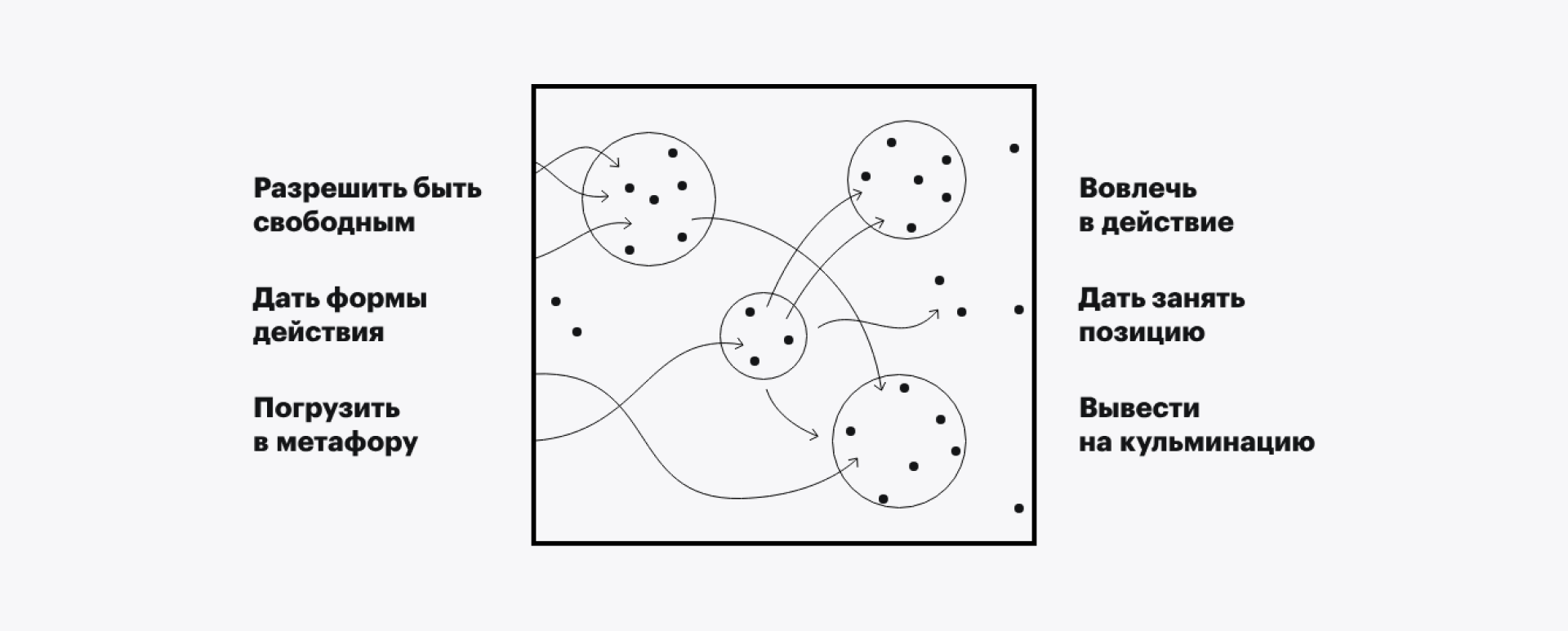
Most people who make businesses, products, or games concentrate on the activity. In a game that’s the gameplay, in a product it’s the service, and in business it’s the processes (what we do every day). It’s not the most important part, but it is the most specific one (to the subject area).
Allow them to be free
In a game this is the main task — to get the player to understand within what boundaries it’s interesting for them to exercise freedom, and to start using it. For this, the player has to understand in which zone of the game they can exercise their freedom and where that freedom is limited by rules or other means. They have to understand what forms of interaction this environment supports at all: what can be done here and how, what conventions exist, which forms of activity the world is ready to respond to and which lie outside the game’s focus. And they also have to understand what the organizers and the other participants expect from them. What is all this about? What does “being a good player” mean in this game?
Give a form of action
If we give players total freedom and say, “Well, do whatever you want, whatever your imagination brings you,” they come up with something completely free. And a problem immediately arises. Nobody else has any idea how to respond to it, how the game world should react to it, how it fits with the rest of the intention. Every action hangs in the air. This is a problem for a great many UGC services that give users too free a form.
When we just say, “Well, folks, this is a forum” or “this is a chat. Do whatever you want” — and we don’t set up the topic of conversation or the formats of utterance at all, don’t indicate what’s good here and what’s bad — in most cases the thing dies. Because the technical possibility of interaction alone isn’t enough. You also need a motive, a style, a pretext, an example, and a whole pile of other “soft” stuff.
A game implies that any meaningful action by players should be within the focus of the intention. The convention with the game world they’re entering is that significant actions will get a significant response. If a player doesn’t get a significant response from the game, there’s no point in them straining themselves for the sake of actions. And they stop applying significant effort. And the flywheel doesn’t spin up.
In other words, having given players freedom, you need to show them the frame of the interaction format — the limits on their freedom that lead to the game returning a response worth being interested in.
Immerse them in the metaphor
Games, products, and businesses have a structure of activity, and they have an angle from which we look at that structure. A metaphor. Sometimes it’s explicit: for example, we’re playing a game based on Tolkien, or a game based on Battle Royale, or a game about the events around the square and the cathedral in Yekaterinburg in the spring of 2019 — doesn’t matter. There’s a setting and a meaning to what happens in the game. The meaning of the interactions the players engage in. We propose looking at them through a narrative frame and endow the actions with symbols. Sometimes the metaphor is less explicit. In checkers, for example, there seems to be no setting at all.
When designing any business or product, the level of metaphor is present whether we want it or not. We don’t always realize it, so sometimes we don’t design it. But it will still be found by the participants with their spinal cord, and it will influence what happens quite seriously.
You can look at an organization in different ways: as a jungle where it’s everyone for themselves, as a machine where all the cogs are greased, as an army where everyone is subordinated to defense against the enemy, as a family where everyone loves each other, as a temple where something is sacred. All these frames have their own logic and style of interaction, their own strong and dark sides — while the regulations underneath may be exactly the same.
Here’s an example from service design. One of our favorite clients has a project — a development school for children and adults. It’s completely obvious that there we’re working with the metaphor of a class. Why? Because it’s familiar to the participants: teachers, students, parents.
When we were designing a video messenger for them, we could have looked at it from some other angles. We could have said: “This is a theater, there’s an actor here and everyone else looks at them and applauds.” Webinar platforms are usually implemented in roughly that metaphor. Or we could have said: “This is sport, this is a place where we compete, there are winners and losers.” Or: “This is a beauty pageant, there’s respect and a runway here and you need to end up in the spotlight.” But we say: “This is a small class at a private school, there’s a teacher here, and this teacher gives feedback to the students.” And that decision directly affects behavioral scenarios, product strategy, and through it the business and the software architecture.
And here’s how the metaphor worked at different stages of Rideró’s development. At first we thought Rideró was a text editor. A place where a person works on a book. Then we decided no. We changed the angle and took a new metaphor — breaking through a dam: there are a great many authors who want to start selling books and can’t, something is getting in their way, and we destroy the obstacles between them and the reader. We make the movement of the book free. Our product was built around that idea for a long time.
Draw them into action
This is a tricky story, because people may have no experience of games at all, or of this kind of game, or of using a service. Or it’s a newcomer who joined the company and doesn’t yet understand how things are done here. Quite likely they’ll be fairly inert — they’ll sit on their backside and wait for someone to address them so they can react.
At the start of a game all players are in that state. And there’s a risk of ending up in a situation where absolutely nothing happens, because everyone is waiting for someone else to start acting, “and I’ll just react.” You have to somehow make life start, get the ecosystem boiling and bubbling: the bees buzzing, the deer running. And yes, that means the first serve has to be made by the game, the company, the product — the player’s first free action is a reaction to an external event. Because reacting is easier than acting on your own.
Let them take a position
So we’ve achieved engagement, we have people who have mastered the forms of interaction, act freely, and are immersed in the metaphor. Now, for the game to happen for them, they need to develop a position toward what’s going on. The player has to look at themselves in a new way. In a game that means reflection happened to them after an important event. In a product it means they used the value of the product and are aware of it.
For example, I bought sneakers on AliExpress and feel that I’m a very thrifty guy and really saved money. Or I bought at Rideró a reprint of an edition that ran out ages ago, and I feel a collector’s joy. Or I published a book and now feel that I’m a real author, that my creative work has taken finished form. Every time it’s a bundle of an action and an awareness of yourself in a new capacity. A quantum of life change.
Lead them to the climax
The climax is when a player goes through a significant peripeteia, through a series of risky or unpleasant situations, in order to come out at a contrasting peak of overcoming themselves, or a moment of maximum tension. And for their personal storyline it’s a turning point that changes everything.
The climax doesn’t happen to every player. If you have a game for 300 people, you can’t provide that to each one. On top of everything else, a person has to do a lot for it themselves. In computer games, where the player’s freedom is much smaller and the storytelling is fine, the climax lands in more predictable places. But not always.
There’s a fairly dumb moment when, somewhere in Zelda for example, the final boss appears. He’s very strong, but by that point you kill him almost without trouble, you just do it for a long time. And often the experience with the final boss isn’t as vivid as with, say, the third boss. You don’t feel the emotion that’s supposed to be happening to you at that moment, because you know that somewhere earlier in the game it was much harder for you, and you spent much more emotion, and for you the climax was there. That is, the plot story doesn’t coincide with the experience you live through. That’s a problem.
From a product standpoint, I know exactly when the climax happens at Rideró. It’s when the first book has been published and the author is holding the print run in their hands, especially if that never happened before. It’s precisely a climax, because the person goes through a very important personal experience for the first time, and they’re extremely involved in the situation. They put a lot of themselves in, and here they have this orgasmic or cathartic moment. They’re now a person in a new capacity. The book changed a lot in them, and there it is, it happened.
Unfortunately, not every business can afford a climax. Achieving a cathartic moment when you buy something in an ordinary online store is hard. You’re glad when you open the parcel, but most of the time you’re not blown away. Simply because it isn’t your first purchase. Nothing out of the ordinary happened. There were no surprises — everything was predictably decent. That’s if the store is a good one.
But it can be done differently. There’s a book called “Delivering Happiness” — about an entrepreneur named Tony Hsieh who ran a shoe store. It’s about how to create that emotion in people in retail. Or, for example, Seth Godin’s book “Free Prize Inside” — about the same thing.
In e-commerce the climax usually arises when we’ve exceeded the player’s expectations. That is, we drew them into action, they invested themselves, and then got something surprising to them in a good way. They’re stunned: “Can it really be this cool/extreme/non-trivial/sincere/whatever?”
When I hear the words “created value,” “the job the product does,” and so on — for me that means “leading the player to the climax.”
Reflection
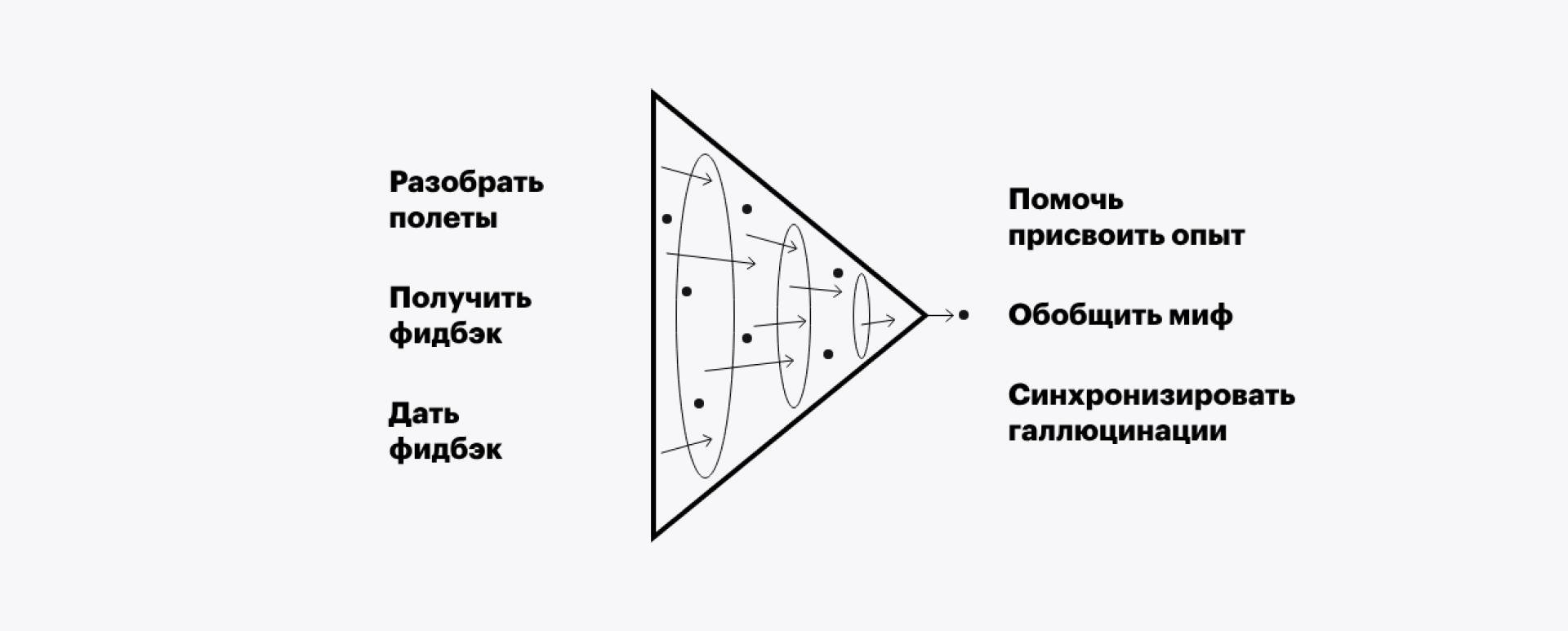
That’s it, the high point is past. The masters said, “End of game.” Or the project ended. Or the client received the service, and we need to make that experience become their personal value. The player has to understand what just happened. Because in most cases, if you don’t do this, a person simply walks past their own experience and forgets it.
Reflection is a magnifying glass that makes everything that happened to us before it big and significant — but very often we simply don’t use it.
It works like this: players work out what happened to them, get feedback on their actions, give feedback to others. The goal is to unpack what happened and make sure that the useful and significant things that happened in the game are appropriated by the person.
Surely all of you as users have run into the net promoter score survey (NPS). That’s when you’re asked how likely you are to recommend a product to other people (from 1 to 10 — never would recommend it / would definitely recommend it to everyone). Usually it’s done stupidly.
NPS is thought to be collected in order to understand how satisfied people are with the service. It’s a fairly contested and quite discredited metric, because it’s often applied any old way. But if you handle it sensibly and insert it in the right place in the communication, its main point will be for the person to tell themselves how glad they were about this experience.
For example, I use one prepared-food delivery service. It’s not that I run around telling everyone about it, but if you ask me at the moment when I liked it and check how likely I am to tell everyone about it, I’ll answer that it’s highly likely. And after I say that, the probability that I’ll actually do it goes up a lot. Because I said it to myself.
Asking “How was it?” is better than nothing. But to answer it, a person has to understand what will happen with that answer afterward. I’ll answer a question only if I understand who I’m answering and why I care about it. It’s a different matter if you ask me NOT at the moment when I’m already grateful — most likely, on that very scale, the mere fact of the question will lower the probability. Because “things already aren’t great, and now they’re pestering me on top of it!”
A separate important piece is collective reflection on an experience shared by us. For an applied game, or for making sense of a team’s evolution, it’s especially important to have a shared mythology: a conception of how the world is built, where a person’s place in that world is, what to strive for, what is good and what is bad, what is good and what is evil. After the world has happened, after the game has ended, we need to look at those memories and tell them to each other in some form. I call this synchronizing our hallucinations. It’s precisely after a significant event that we have a chance to become a collective — to jointly appropriate the experience. Then it becomes shared and turns separate people into “us.”
Most computer games have no reflection
Not counting the rare exceptions that treat a game as art rather than as business. In Russia that’s Nikolay Dybowski, and in the world Hideo Kojima. They want players to have an insight when something happens in the game. In other cases a computer game most often tries to say: “Sit still, friend, please, and don’t think too hard. Here’s your next turn of the dopamine loop.”
There’s also reflection in e-sports, for example. There a person plays in order to win, and reflection is done for them, roughly speaking, by a coach. He runs a post-mortem on how well the player played StarCraft or some Counter-Strike, so that next time they play more successfully. But this is done not by the platform’s means, but by a social institution. Reflection arises when the value at stake is the person’s experience outside the system.
In computer games there’s similar reflection too, for example in the form of discussions on the internet. But there it just broke loose, and it’s not a given that the creators wanted it at all. Whereas if reflection were built into the artistic work, it would be in the space created by the authors, and it would be subordinated to their goal. Funnily enough, the let’s-play largely covers the reflection task — simply by being a creative product secondary to the game.
Of course, there have to be exceptions to the rule. So that you don’t think I’m denying computer games any built-in reflection, here’s an example. Sid Meier’s Civilization. The old version of it (yes, I’m 45 already, these are the examples I have, boomer that I am). My favorite part there was when you finish playing and they show you the statistics of everything, of how you played. They give you a chronology of all the events that happened to you, and you can review it. What I liked most was that it makes you relate once more to what just happened. It lasts about three minutes: you stare at that chart and do nothing else, but you understand what you did wrong and where the turning point was.
Reflection happens at the moment when a person has time to think about what happened. They’re given the time and the reason. That’s why over my whole life I’ve had a lot of ideas about transferring the metaphors of Civilization into our real life.
What can go wrong?
Concentrating only on a set of functions and on content
You have to work with the position the player takes toward the content, not try to manage a service as a set of functions.
If a service has several audiences, you need to understand which of them you’re playing a game with. It’s worth understanding the general convention: why you’re doing this with the players, what they’ll be ready to consider a win, what forms of the game you’re offering them, whether they’ve mastered those forms, and how mastering the product’s form happens at all.
Coercion
If a game isn’t voluntary, it isn’t a game. It’s hell. If a service is used against one’s will, that of course ruins the whole damn thing and takes the product out of the state of a game. My philosophy of games concerns processes people enter of their own will, and the convention is that people get value and joy out of it. It’s not that this is the truth. It’s just that I decided it this way for myself, because I like it when people like things. I like making people’s lives better.
When we start abusing the definition of a game — saying right at the start that the game is involuntary, or closing off the exit from it — we start making a concentration camp instead of a game. Prisoners don’t extract value from a concentration camp. And so they won’t love it. However much all the other principles of a game are observed, coercion into entering the game and a ban on leaving turn what’s happening into a Kafkaesque hell.
You can only keep someone somewhere through the value of the product: here are the flowers, you’re the bees, fly to the flowers because you need raw material for honey. And when we just try to herd the bees into a jar and close the lid, they won’t be happy. There’ll be no game, none of it will work.
For a product to happen, players need to understand what their freedom is, what the win is, what they can decline and what to act for. And most importantly, if users act successfully, how the service shows them that success.
The main thesis
Actually, problematization and reflection matter more than the buzz. If we immerse a person into the activity properly and then bring them out of it, then all the activity itself really needs to be is bright and exciting enough. And basically that’s it.
If the activity captures people, they get immersed in the problem and safely exit the whole story, and we help them make sense of the experience, then they manage to extract a mass of cool stuff from utterly trivial experiences.
For example, a few years back there was a fashion for ropes courses, where the organizers simply made you do collective exercises with ropes. Every time it required synchronized interaction and worked with people’s emotional foundation. It’s actually a very unsophisticated event that works insanely well if it’s deeply problematized and carefully reflected on. And the “good” ropes courses differed from the “so-so” ones not in the sets of rope tricks the organizers had. They differed in how the entrance and the exit were arranged. How people were prepared to perceive it beforehand and how they were helped to appropriate the experience afterward.
Another example. If you go on a group bike ride while running an immersion beforehand and a reflection afterward, I assure you, you’ll have a mass of conclusions and a ton of benefit. Even though all you’ll be doing is riding bikes.
I emphasize this because in most cases people actually do the exact opposite. In making a product they concentrate on the interface itself rather than on the story that happens to the person before and after they use it. In business they fight for perfect regulations. In games they work on the gameplay itself.
Gameplay without problematization and reflection is money down the drain. That’s the main thesis.
Tool 2 — the structure of a role
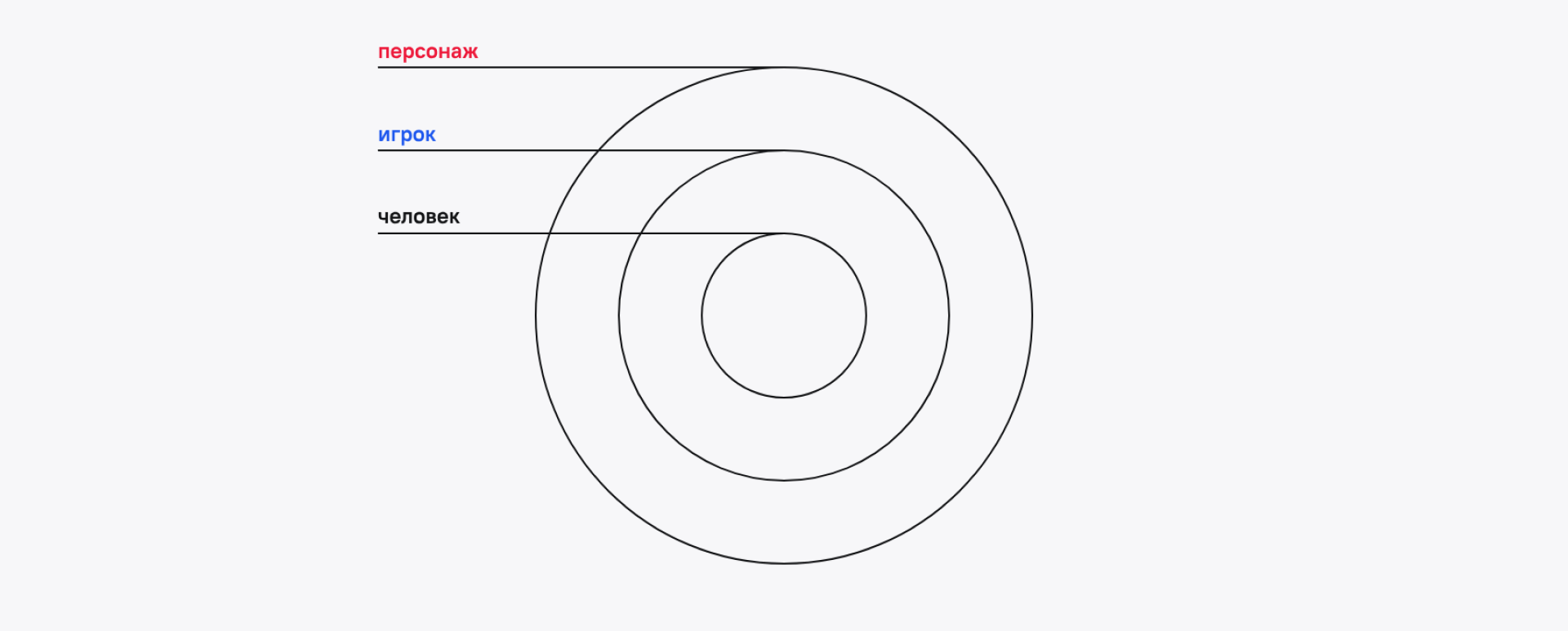
The structure of a role is a kind of matryoshka, a spacesuit a person walks around the game in. It’s not a canonical tool, there’s a lot of argument about what’s actually nested in what. Here’s my interpretation, it’s not flawless.*
The idea is this: there’s a person, made of meat, with a neural impulse inside. Around them there’s a layer of the player (the one who plays by the rules), and around that a layer of the character (the one who lives in the game world).
*In the interval between the lecture and finishing this article, a “spectator” position was added, which unexpectedly also knows how to be active. But that’s another story, which I’ll tell later. So stay tuned for updates.
The person
Only the person exists outside the game; neither the player nor the character exists outside the game. And only the person can feel emotions, because only they have neurochemistry.
In a good game the person should lose themselves in the player, and the player in the character. That is, they should dissolve into the more general layer.
It’s like ordinary life: we don’t think that here goes our skeleton, here’s a colony of viruses and microorganisms in human form moving around, and archetypes and NLP models are put on top of it all. We think about ourselves in a more general sense: “I’m going to work,” “I’m playing with my son.”
The player
The player is the one who plays by the rules, takes risks, wins or loses. Apart from the rules, nothing actually concerns them. The rules give them a form of interaction, offer the possibility of a win and the risk of a loss.
If the core gameplay is set by rules, the game runs in the categories of winning. That’s true, of course, in those cases where the narrative and role components are excluded from the game. In pure form this happens fairly rarely, but when it does, the game comes down to who won.
The character
The character is the one who lives in the world of the game, has a backstory in that world and connections to other characters. It’s precisely the character that the other participants interact with. If everything is done carefully, they notice neither the player nor the person.
Some games don’t have a character layer, if they’re not narrative. Football, for example. If you look at it only as a game on the field, with a ball. It’s a different matter if you look at the game football clubs play buying stars.
Generally, it’s a fairly common situation that widening the frame of a game to the supersystem makes it a role-playing one.
What is a role for?
The character needs a role so that they get a life context: reasons for conflicts, backstories for situations, their personal storyline, and game events.
How is this connected to interfaces and business? We live in a large number of worlds, and when we enter into interaction with some service, we get immersed in its context. And we need to unfold that context so that we understand what we’re fighting a conflict with here, what storyline will be played out here, what events can happen here at all.
The player needs a role so that they get a motive: forms of action, negative or positive incentives (don’t act and it’ll be bad, act and it’ll be good), challenges (like incentives, only bigger and more complex), and difficulties that have to be overcome so that rewards don’t come for free.
The person needs a role so that they get experience as a result of the game.
Coming back to UX design: both context and motive are means of forming experience and getting emotions from a change of state. If a person moves further along, questions arise for them, because they’re moving in the zone of proximal development. We’ll talk about that later.
Tool 3 — the structure of motivation
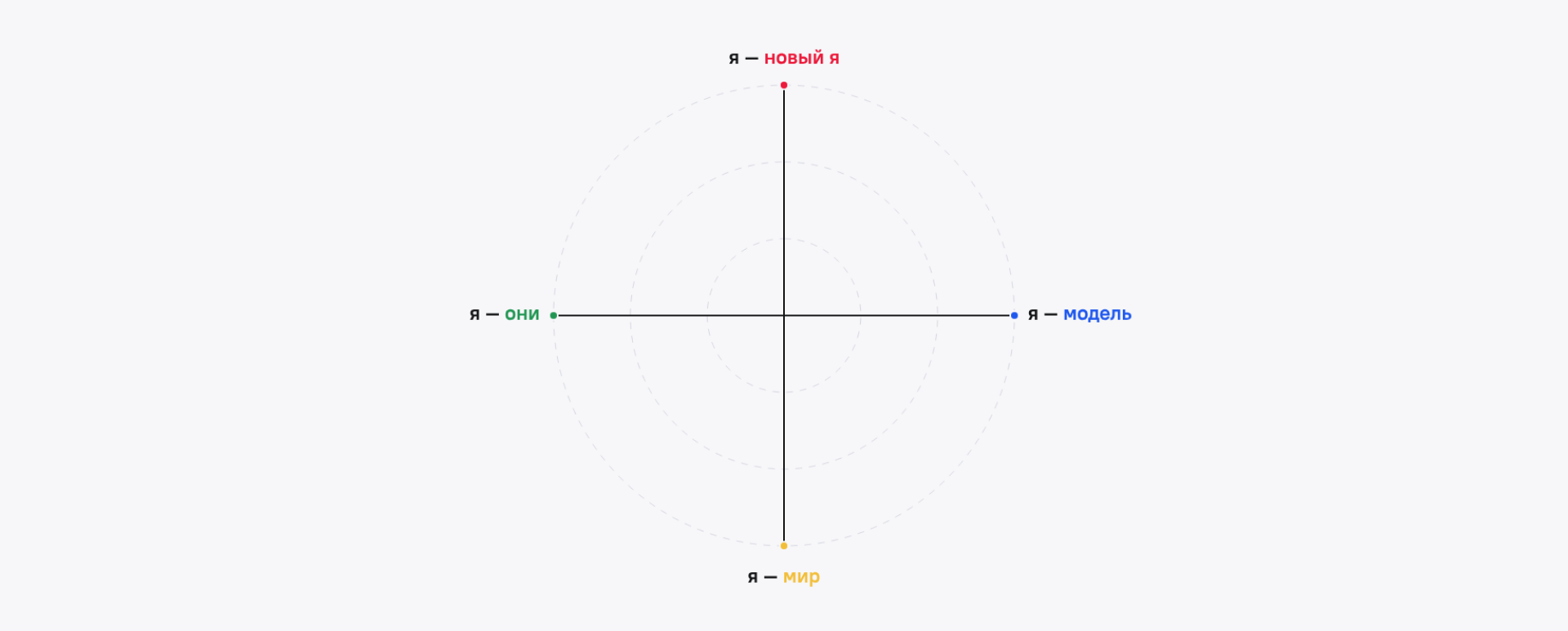
There are a great many different classifications that explain what people play games for. This is the one I use most often. It’s ours, homegrown, from live role-playing games. There are others, and I’ll show them a little too.
A game gives the player four main joys. On the diagram, “I” is the player, and next to them is what brings them joy.
I — the Model (the Munchkin)
Values:
-
winning
-
points and rewards
Gameplay:
-
leveling up
-
e-peen contests
-
playing with the model (the master, the computer)
The win:
-
who interacts with the model better
-
XP, levels, achievements
-
formal victory
The Munchkin plays with the model of the surrounding world more than with other players. They play with other players too, but what interests them in this game is the model’s response, not the other players’. Other players in themselves don’t interest them much — only as a means of interacting with the world model.
The Munchkin values winning. They consider the winner to be whoever got more of the model’s trinkets. XP. Levels. Achievements. Do I have a lot of them? Then I’m the man! Who cares whether the win was fair or unfair, or whether it was just luck, or whether they cheated. What matters is that there’s confirmation from the system that yes, well done! In the top! That the model says: “Yes, I acknowledge it, you are successful.”
That’s why the basis of the Munchkin’s gameplay is leveling up. The gameplay focuses attention on who’s better and who’s worse by formal signs. And marks it, for example, with all sorts of little medals.
I — Them (the Politician)
Values:
-
playing with people
-
fair competition
-
complex situations
Gameplay:
-
competitive mechanics
-
contests of wits/muscle/dexterity
The win:
-
dominating another player
-
“who climbs out of the deeper sh…”
-
experiencing a feat
The opposite pole is the Politician. Just as much of a thrill-seeker, but they want to play with people rather than with the model. They don’t much care what formal confirmations they get that they’re the man, or any other stripes. A pure Politician type basically doesn’t care about the goodies.
What matters to them is having live human-to-human interaction and having it be interesting. Or dominating meatbags rather than lifeless cardboard/iron/regulations. They value the fact that, despite the worst conditions, they wriggled out of the deepest hole and proved to all their friends who’s king of the hill here. Then they experience a feat.
Or, if it’s some game about co-creation, they want to feel they’re doing it together with others, that it’s their shared experience. And that they served the ball, and other players returned it, accepted the value they were putting into the game, and they could see how their trace in the game lives on in other players.
A very common mutation is when a person values both of these joys: interacting with the model and with other players. Then their behavior depends on which is stronger in them — the Munchkin or the Politician.
I — the World (the Reenactor)
Values:
-
atmosphere
-
immersion in the world
-
authenticity
Gameplay:
-
exploring
-
reenacting everyday life
-
props (sets, costumes)
The win:
-
belle of the ball
-
who’s the most authentic
-
experiencing an epiphany
The second axis is the vertical one. It’s different, not about excitement and competition at all. It’s about atmosphere, immersion, and authenticity.
The Reenactor interacts with the living created world. Authenticity matters to them — of the exterior, the interior, the costume, the small everyday details and all that sort of thing — so that they can experience immersion in the atmosphere. I was surprised to discover that this is exactly how I play computer games. In StarCraft, for example, the setting is more interesting to me than the gameplay. Although in live games and in business the gameplay matters much more to me.
Gameplay for the Reenactor is built on the player exploring the world, stumbling upon reenactments of everyday life, and taking a lot from it. The win is when everyone understands that they’re the belle of the ball, they’re the most authentic, they have the most beautiful dress, everyone is looking at them and admiring them. Or, if it’s a zombie game, then they’re the most horrifying zombie, everyone photographs them, and after the game all the Facebooks are full of photos with them.
There’s another win too, when the player has an epiphany from suddenly experiencing some target sensation. From how they immersed themselves in the world. It’s most like the strong emotions we can feel listening to music or looking at some painting: goosebumps start running down your neck because something in us resonates with the atmosphere.
I — the New Me (the Mystic)
Values:
-
expanding their role repertoire
-
an internal challenge
-
stepping outside their comfort zone
Gameplay:
-
VRIW (a very rich inner world)
-
moral challenge
-
trance states
The win:
- experiencing catharsis
The Mystic discovers that in this game they occupy a different role than in ordinary life. Their behavior and motives differ from what they’re used to. Their reactions are different. And in general, the viewpoint they’re looking from isn’t the same as in ordinary life. First of all — the view of themselves. They find it amazing that, it turns out, they’re not only the way they thought. They’re also, wow, like that.
They value that their role repertoire expands. They end up in angles they haven’t looked from before. What interests them is the internal challenge — the thing that’s psychologically or narratively hard for them to live through themselves.
This person’s main enemy is themselves. This is a game about becoming a hero. To make such a confrontation interesting, you have to step outside the boundary of psychological comfort.
Their gameplay is like this — VRIW (a very rich inner world). Such a person values dramatic experiences, they examine them inside themselves. And the surrounding reality is just a means that triggers those experiences. They value being put in front of a moral choice or a moral challenge. And every choice necessarily transforms them, often somewhat traumatically. They also like living through trance states.
Their goal is catharsis, the climactic moment when they pass through purifying suffering.
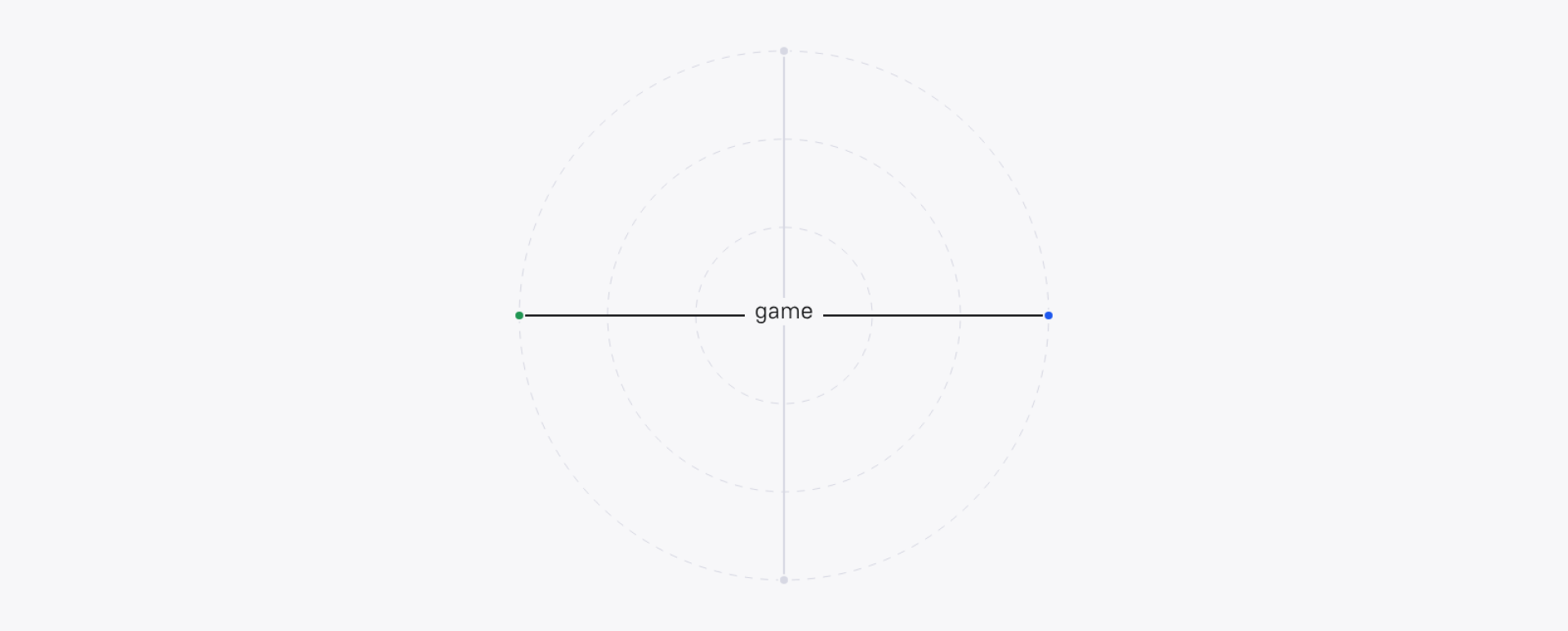
If you look at all this from above, there are two axes. For the Munchkin and the Politician, the word “игра” translates as game — a game by the rules for the sake of winning and excitement.

And for the Reenactor and the Mystic, “игра” translates in more theatrical terms — spectacle. This is a game between immersion in a world and becoming a hero. That reading is usually adopted in stories connected with storytelling and living through all sorts of dramatic stuff. In any narrative art it’s like that.

Play is the third translation of the word “игра.” It’s at the intersection. It’s the freedom of the player who fools around, messes about, expresses themselves, makes a game out of all of it.
And this moment is the key one: whatever mechanics or directorial devices a game is built on, whichever joy it’s built around — if there’s no free play by the player, no play, there’s no game.
From here, by the way, follows a direct conclusion about which tasks games are worth using for — the ones where it matters to us that a person acts freely, of their own will, and not (only) by instruction.
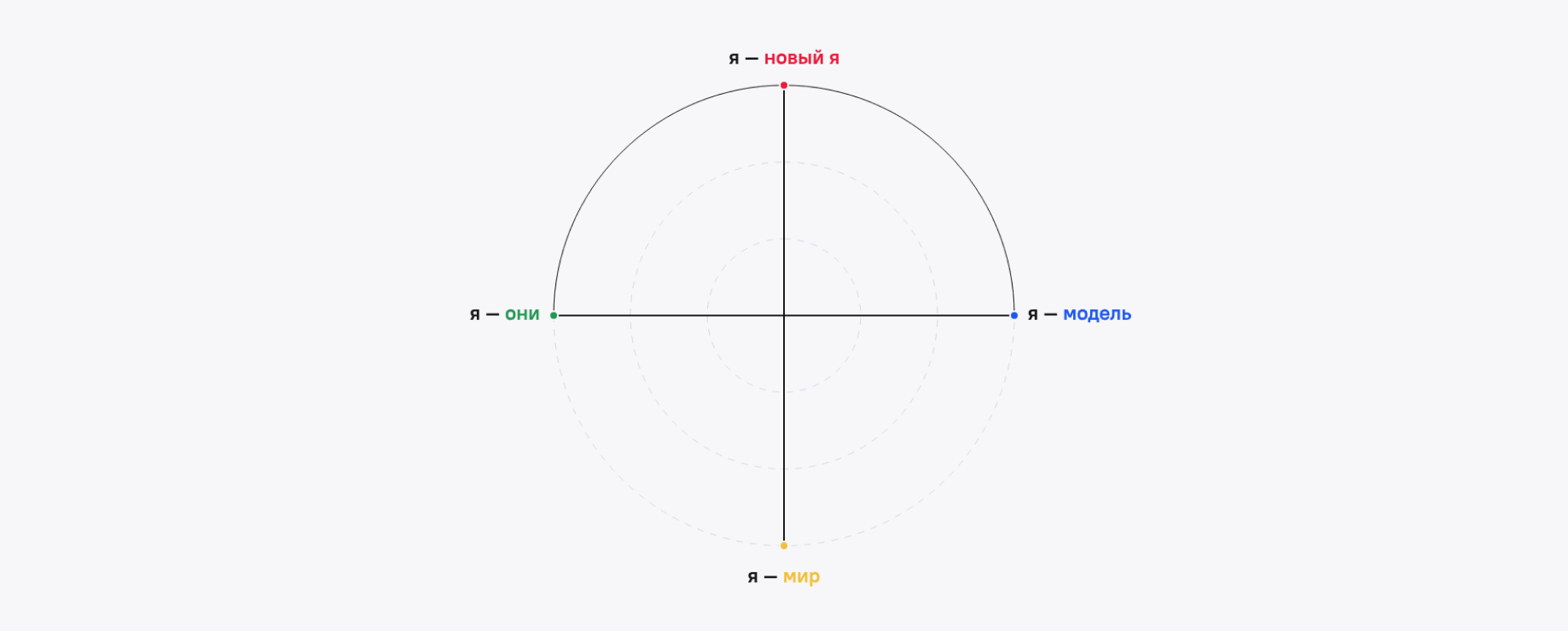
Applied games
In applied games we usually work with people’s interaction with each other. So that each of them does something with themselves. Because the only people who take useful effects out of a game are those who changed something in themselves, voluntarily.
Artistic games
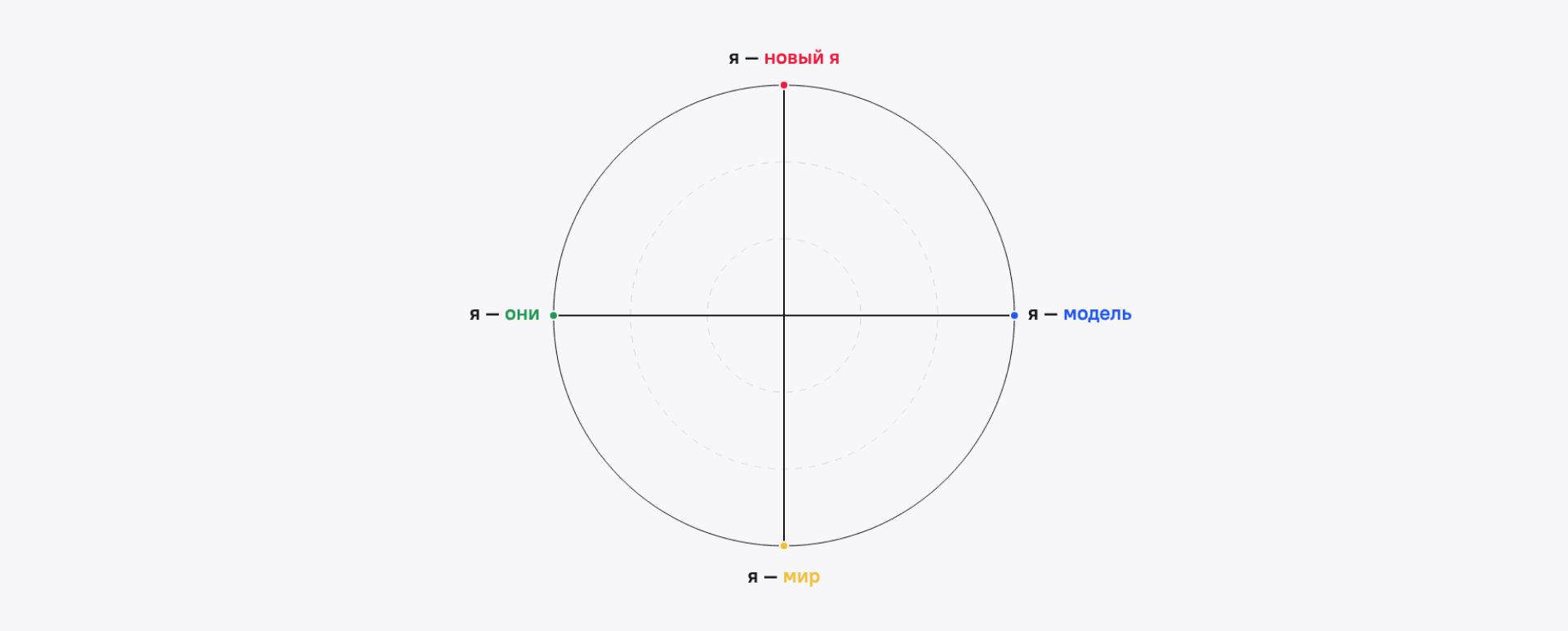
Artistic games play on all these joys, and a big game includes everything.
Sport
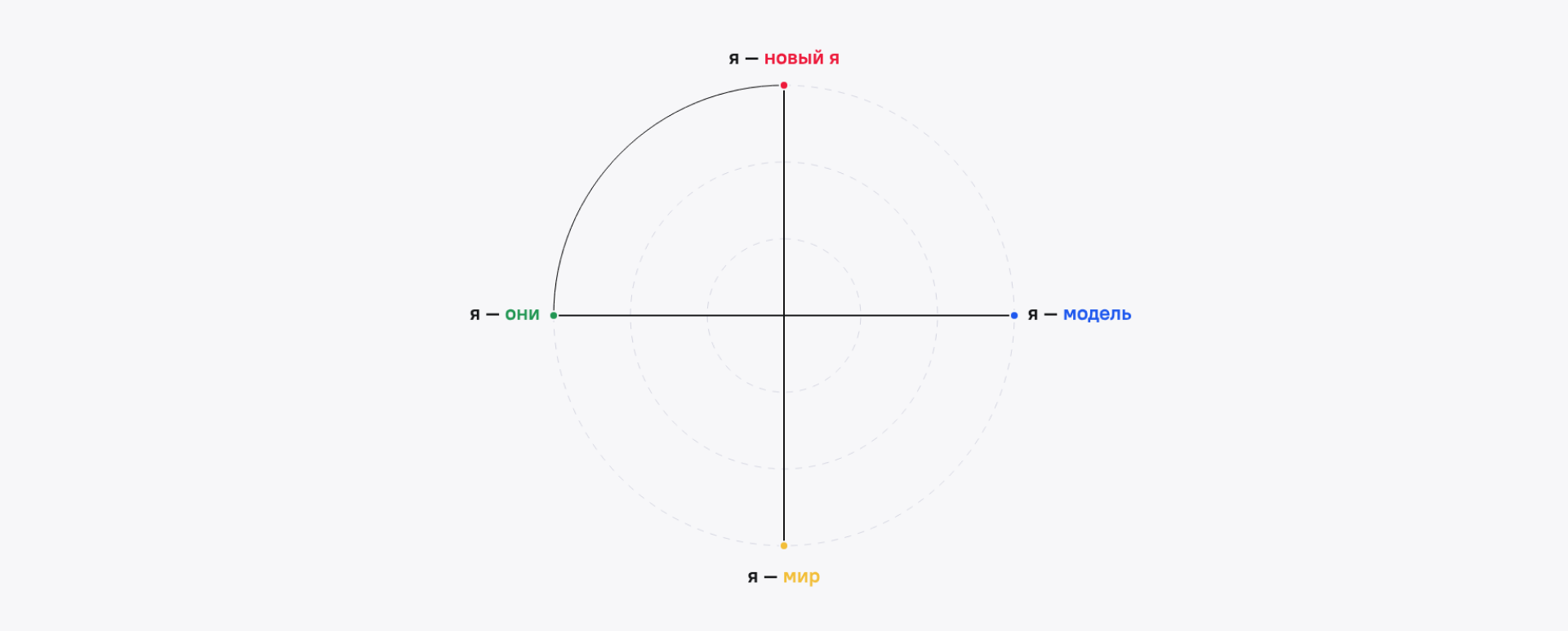
Sport is similar to applied games. Almost nothing in sport is done except interacting with people.
Other Design Models
Bartle’s big model
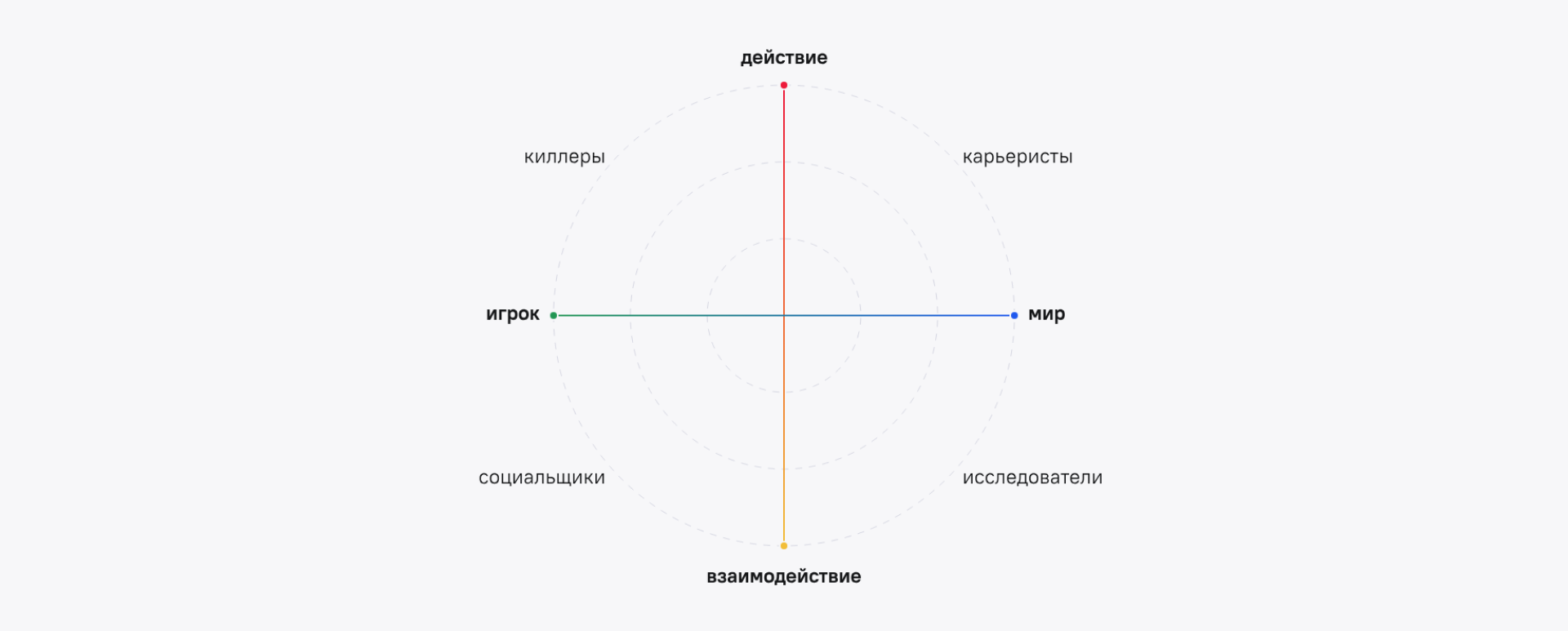
This model dissects in detail the pole between me and other players. There are killers, socializers, and those who love interaction. There are two axes: between interaction and action, and between players and the world.
You can see that from that angle there’s no place at all for I — the New Me. That’s connected, among other things, to why there’s no reflection. Because such players don’t look at reflection as a pleasure you can get from a game.
GNS Theory
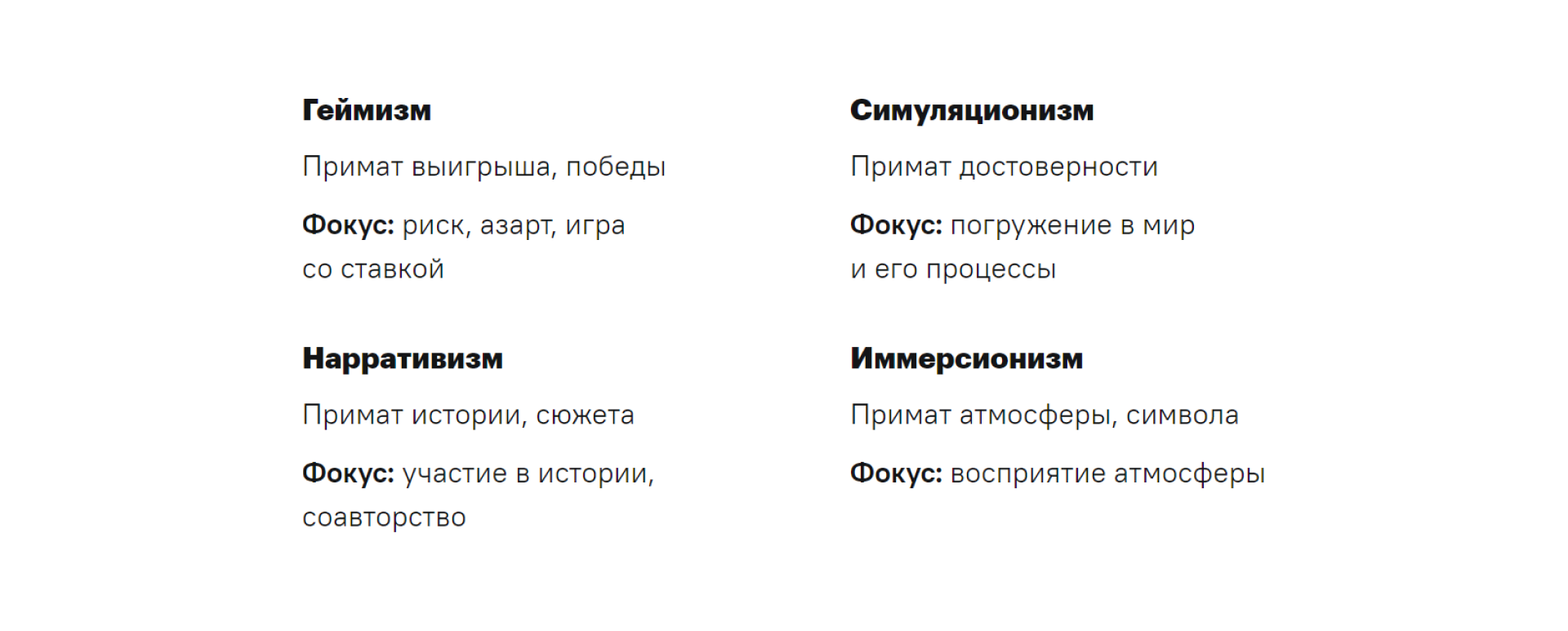
This is a modern Western theory of live games, created under the influence of Nordic larp. Originally it had gamism, narrativism, and simulationism, and then immersionism was added. Competition with other players isn’t in focus here. There are the folks who are for the primacy of winning and victory. There are those who are for the primacy of story and plot. Those who care about fidelity. And those who care about atmosphere. And fidelity here is understood through processes, and atmosphere through props.
Our theory seems more instrumental to me, because it illuminates all types of joy more evenly.
The three-act structure
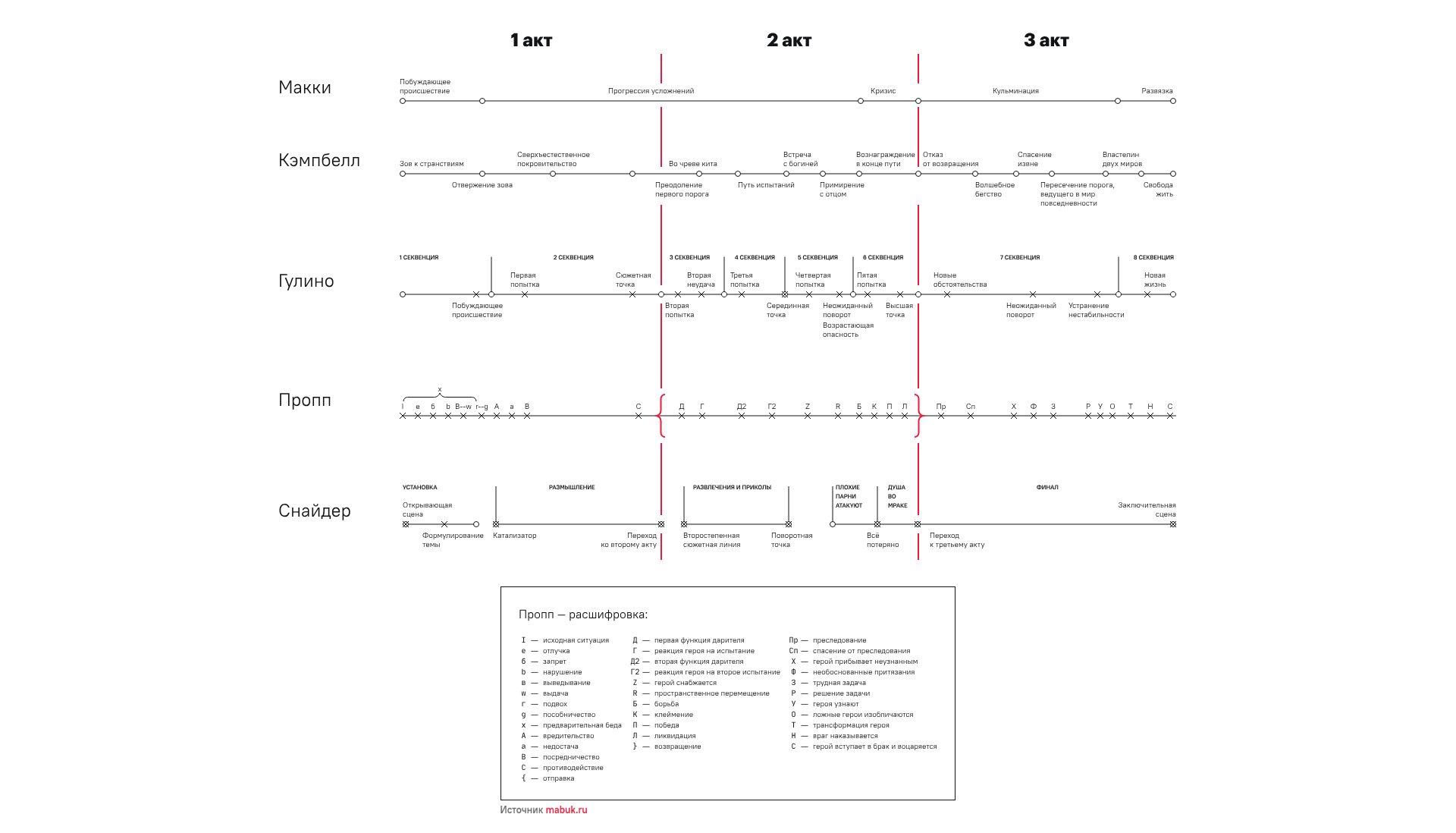
I highly recommend this little diagram if you happen to care about storytelling. Because it collects all the approaches to the three-act structure. The way McKee teaches it in “Story,” Campbell in “The Hero with a Thousand Faces,” Propp (he has the most detailed version). And the other two guys, Gulino and Snyder — I haven’t read them.
It’s all about the same thing with some particularities. The three-act structure, in McKee’s terms for example, is the inciting incident, the progressive complications, the crisis, the climax, and the resolution. In my terms the inciting incident will be connected with problematization, the resolution with reflection, and in the middle is the second act. What matters to us is that, regardless of the instruments, all of this happens to every player. For that they have to get into the zone of proximal development.
The zone of proximal development
The zone of proximal development defines those functions that have not yet matured but are in the process of maturation, functions that will mature tomorrow but are currently in an embryonic state; functions that could be called not the fruits of development but the buds of development, the flowers of development, that is, what is only just maturing. — Lev Vygotsky, psychologist
By the definition of the Soviet psychologist Vygotsky, the ZPD is the level of mastering complexity within a person’s zone of interest. In relation to a game and to voluntary action, this means that a person experiences the type of pleasure from what’s happening that they are capable of and like experiencing. And they master the form of interaction that promises them pleasure that brings more joys. Or promises to let them master some new kinds of pleasure. Obviously, the more a person plays, the more kinds of pleasure they’re able to notice at all. They do it in small steps. So that it’s difficult but still surmountable.
The learning curve
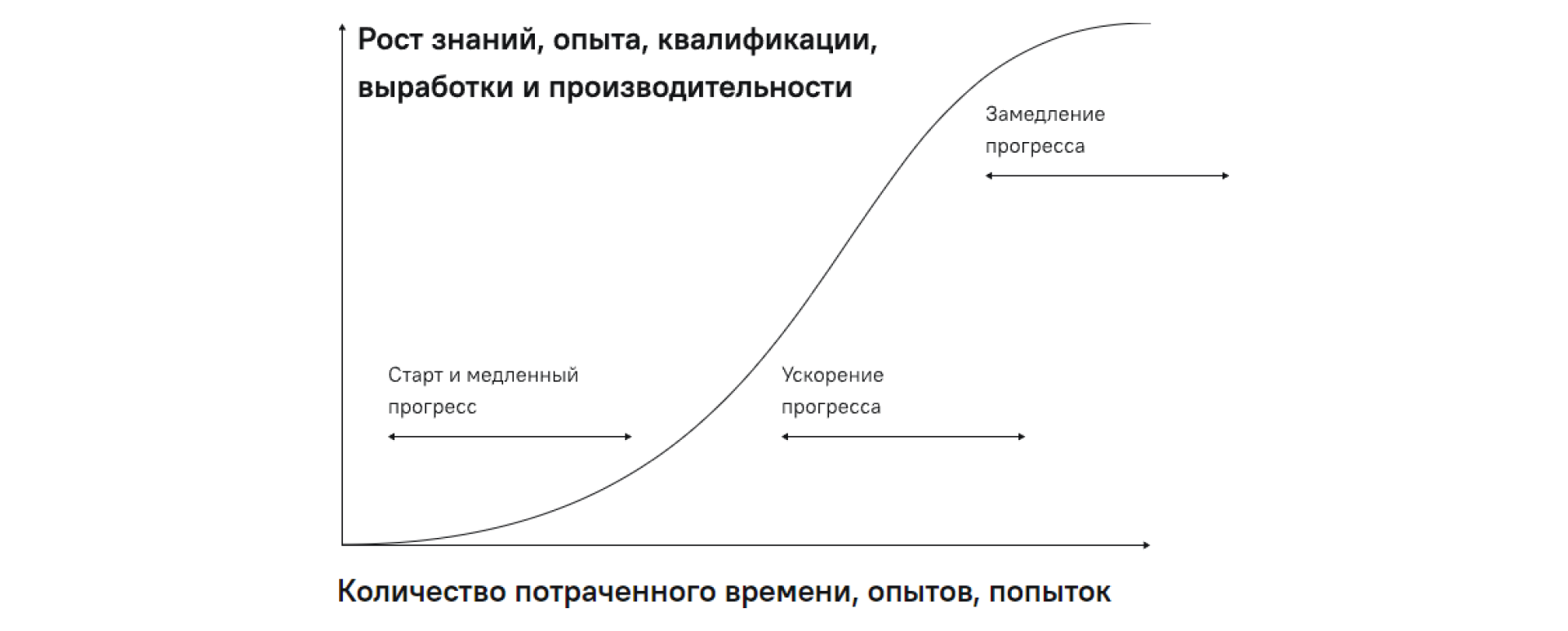
The ZPD is the height of the step on the learning curve that is hard for me to get over but still interesting.
This learning curve is used for designing any service. Many people think that the usability of an interface comes down to making the first steps in it always very smooth. To making the little steps in the zone of proximal development very small and very easy to master. That doesn’t always have to be the case.
For example, interfaces for professional use are absolutely not obliged to be like that. They can have a much steeper curve, which from the very start can stand almost like a vertical wall, but then show wonders of efficiency.
But in principle the market is pushing professional interfaces in that direction too. If I recall the difficulties I had mastering Photoshop back when it was old… although Photoshop hasn’t improved in that respect. Whereas Figma, for example, became much simpler and pushed Photoshop aside largely because it has a smoother learning curve.
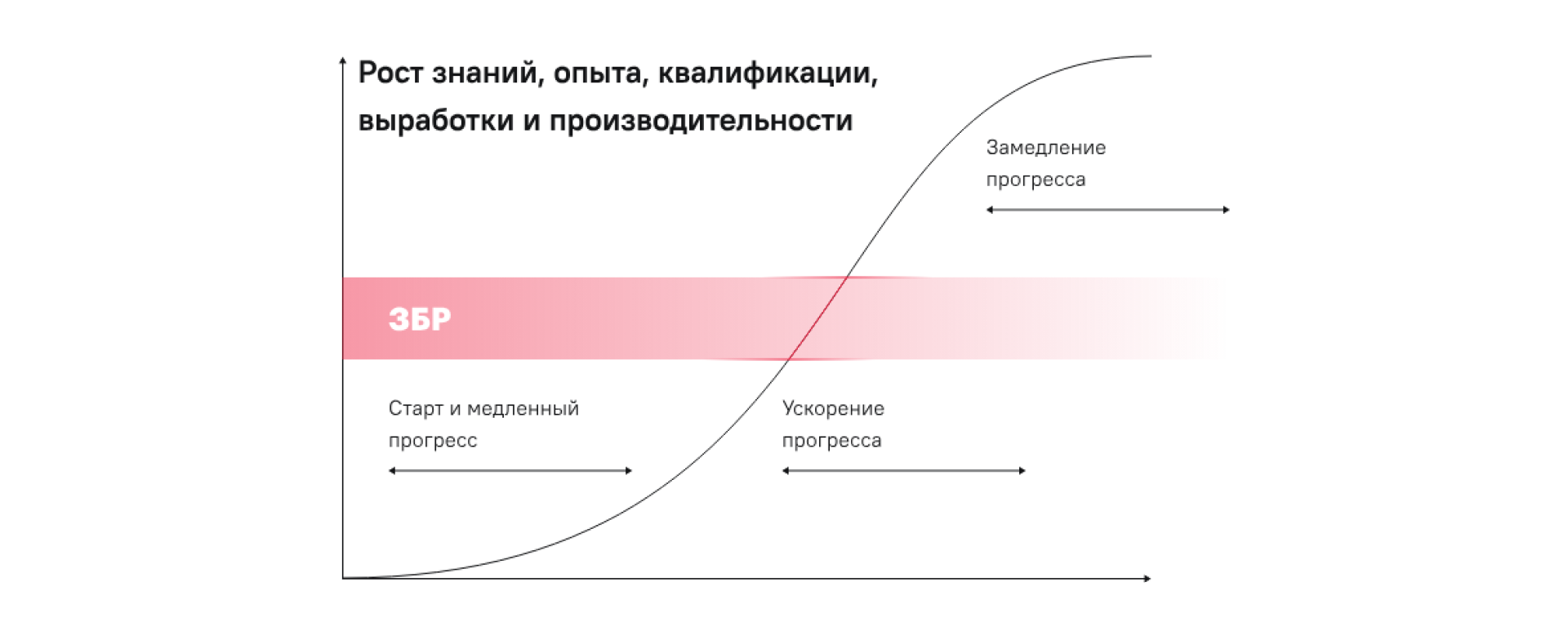
Our task is to manage the height of that step so that a person makes it further and stays interested. The catch is that these experiences have to be given to every player, and each one moves through this experience at their own pace.
What All This Means for Product Work
UX as a game
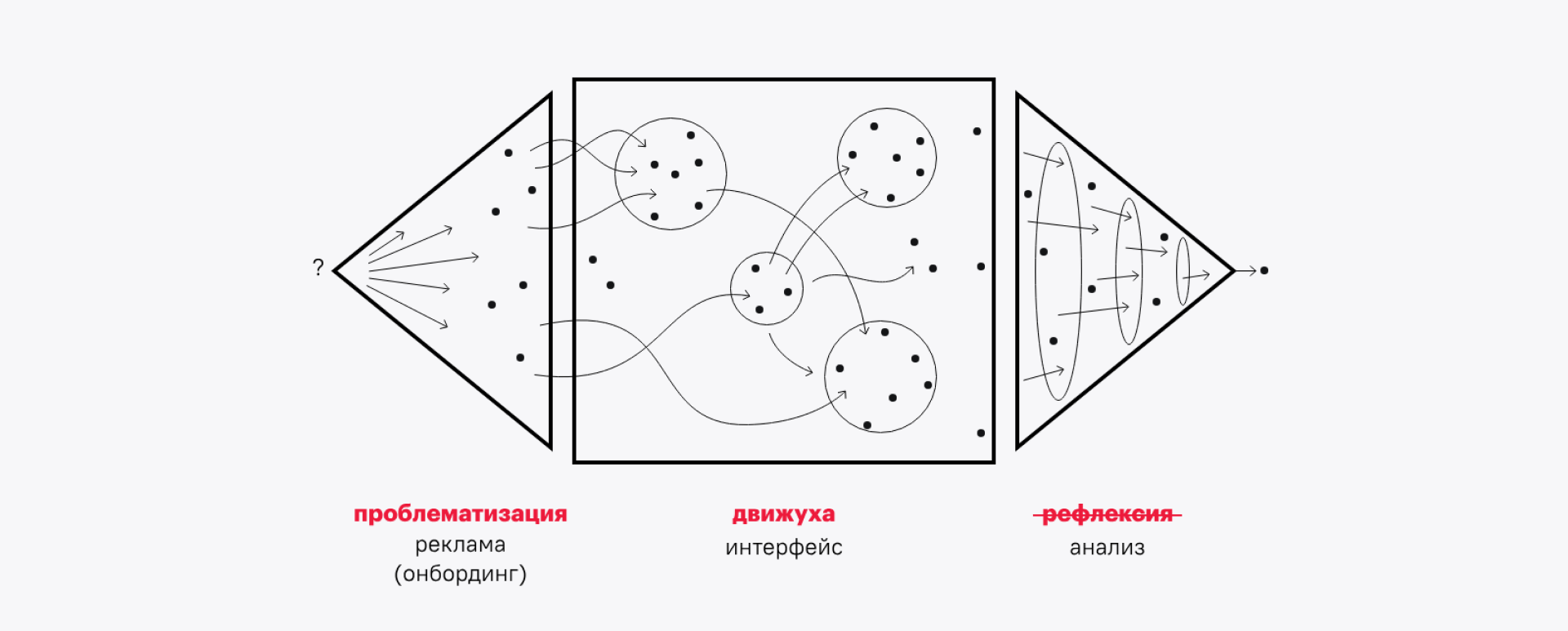
If you look simply at any website as a game, we have onboarding, the interface, and analysis. Nobody usually does reflection for the user — and that’s a shame.
In UX, instead of the person, the player, and the character, there are value, the interface, and context. The person comes for value, the interface is the game they’re forced to play, and context is what we immerse them in so that they understand that the value really is there.
E-commerce
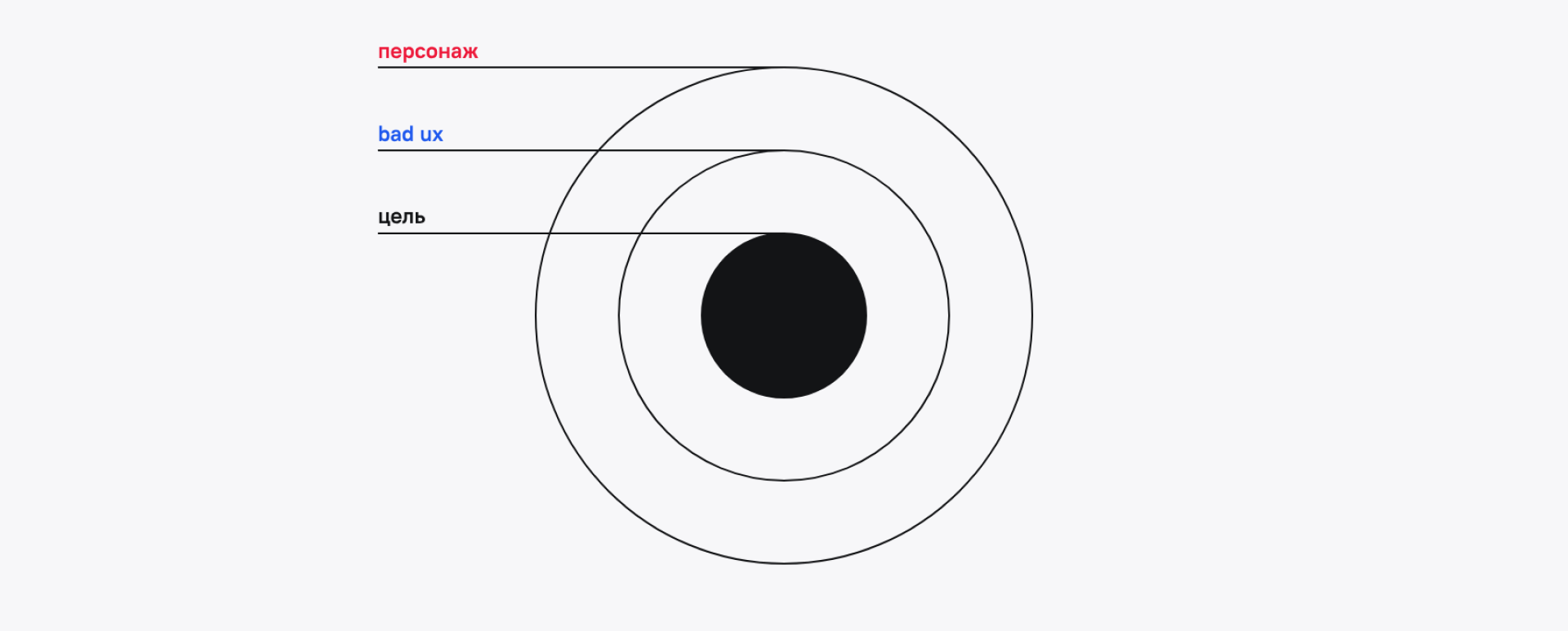
It’s assumed that ideal e-commerce contains no interface. As though a person wanted to buy something — and they bought it. That’s it. At the moment they became aware of the problem, ideal e-commerce doesn’t seem to require the rest of the game.
Usually, if there’s a lot of game in e-commerce, that’s considered bad UX. And really — who wants “the voluntary overcoming of unnecessary obstacles” while shopping? So in e-commerce we try to say that we’re dealing only with the person, only with rational thought. The only value we offer is a benefit or a reward. We assume people don’t shop for anything else. And that, of course, isn’t true.
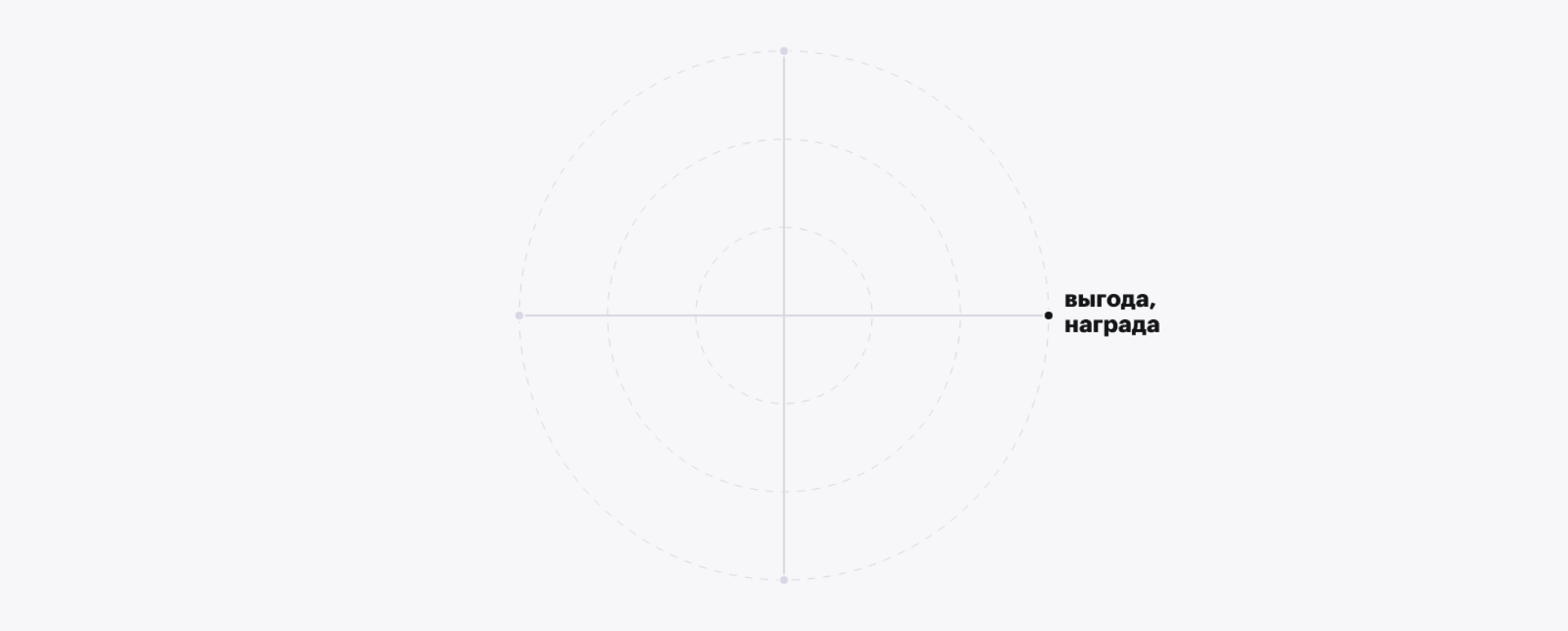
If we understand that people shop in order to immerse themselves in an atmosphere, to win a competition, or to find new selves, then we’ll find a place for new value and be able to create quite interesting “games” in a place almost empty of competitors. People will spend a lot more money on us and get more emotions out of it.
The problems look like this:
-
we’re concentrated on goals rather than experiences;
-
we think in categories of benefit rather than interest;
-
we spend a lot of effort on the opening and try to minimize, ideally eliminate, the time spent on the game;
-
we never work with the “player’s” reflection at all.
Meanwhile the modern post-industrial economy is in many ways centered around interest rather than around direct rational benefit. Recall your shopping list for the last three months and ask yourself what you bought just because it was fun, rather than because you desperately needed it.
For example, I know that our designer Olya buys all sorts of strange (and expensive) coffee not because it’s some utilitarian need, but because it’s fun to hunt for and try coffee. When we understand that this type of player finds that interesting, that means we need to give them exactly that in the product.
In this sense, the guys who sell expensive tea, for example, are usually really selling story more than tea. They tell us a pile of tall tales about how they traveled by caravan to who knows where and how to properly consume this and how it will change our leisure time and what we ought to read with this tea. And if we simply bought the same tea without this whole interlude, we’d think: “Well, tasty tea.” Or: “Well, ordinary tea.” And in any case, without all that game we’d think: “Why the hell is this tea so damn expensive?” And we’d pick a different pack. Because we weren’t given room for a game, the context wasn’t unfolded, we weren’t shown gameplay that’s interesting to us specifically.
Actually, when we design UX and e-commerce, we try to say: “The ideal interface is the absence of an interface. Let’s make an invention, save the user effort on interacting with our interface, eliminate the expenditure of effort on the game. The game is evil.” But that’s not so.
We almost never work with the player’s reflection. And that’s very strange in the modern economy, especially if we want people to buy from us regularly. For example, I picked up from that same Olya some folks who sell tea by subscription. They do everything well with the intro and immerse me in a certain context, but of course nobody asked me how it was for me. Nobody gave me a place to apply effort.
The more a client invests themselves in what’s happening, the more loyal they’ll be.
Investment is measured by the actions they took in the reflection. Putting a like is much harder than doing nothing, taking a photo is much harder than putting a like, and writing two paragraphs of text is much harder than taking a photo. But if a person did it, and did it in public, then they’re not going anywhere afterward. By doing it they told (first of all themselves) how important this game is to them.
A tool

With tools things are a bit better, because tools are interfaces designed for us to interact with them over a long time. The player zone in them is wider.
Rideró
Almost every day I get messages of thanks from readers. Each one of them is worth more than any rating in the world, believe me! — Anna Ivanova, writer
This quote is here for the following reason. It’s not that we did it deliberately. It’s not about what great guys we are. But at Rideró value is created by the fact that our users play a particular role — the role of the author.

And in fact they pay us money for immersing them in their character. They overcome difficulties with our gameplay and maybe don’t always get much rational benefit, to be honest. But they’re happy, because their character is happy, and they got to play them.
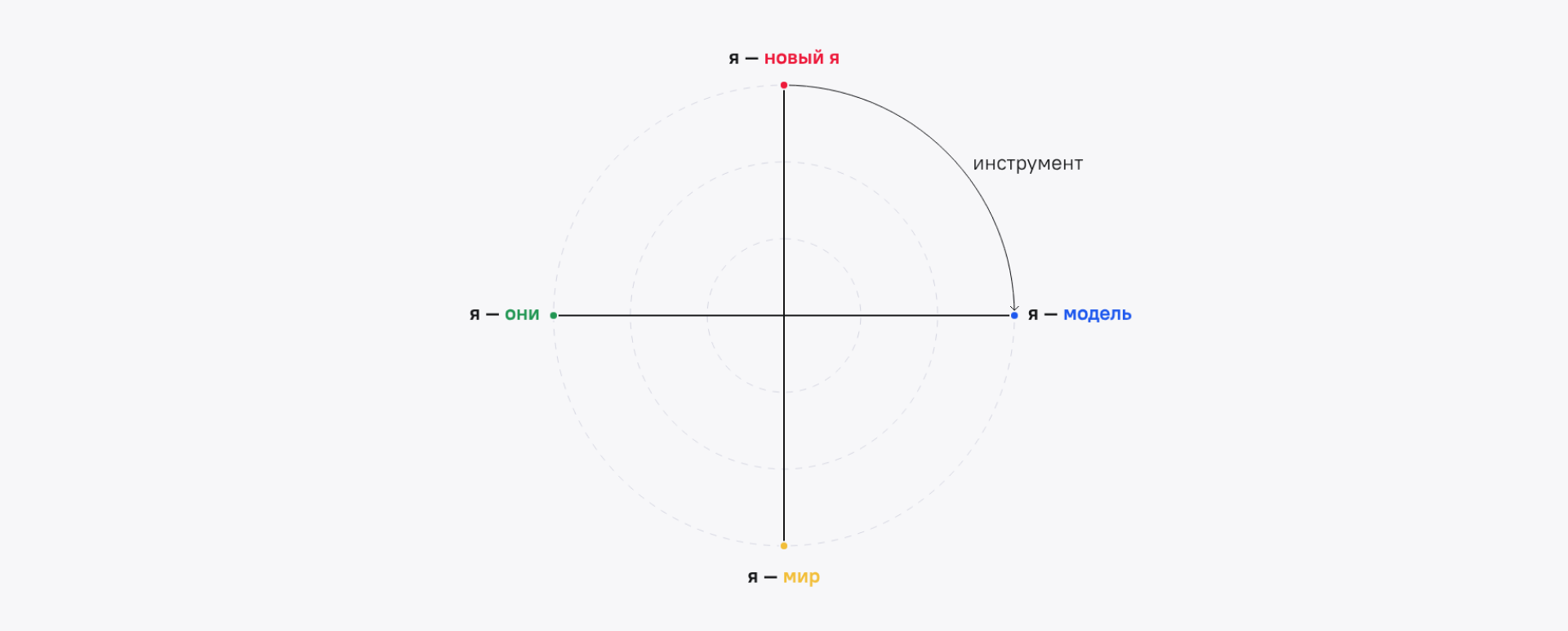
Tools sit between the New Me and the Model. Interaction is a certain tool that lets us do something with an artificial environment and grow above ourselves in the process.
A service
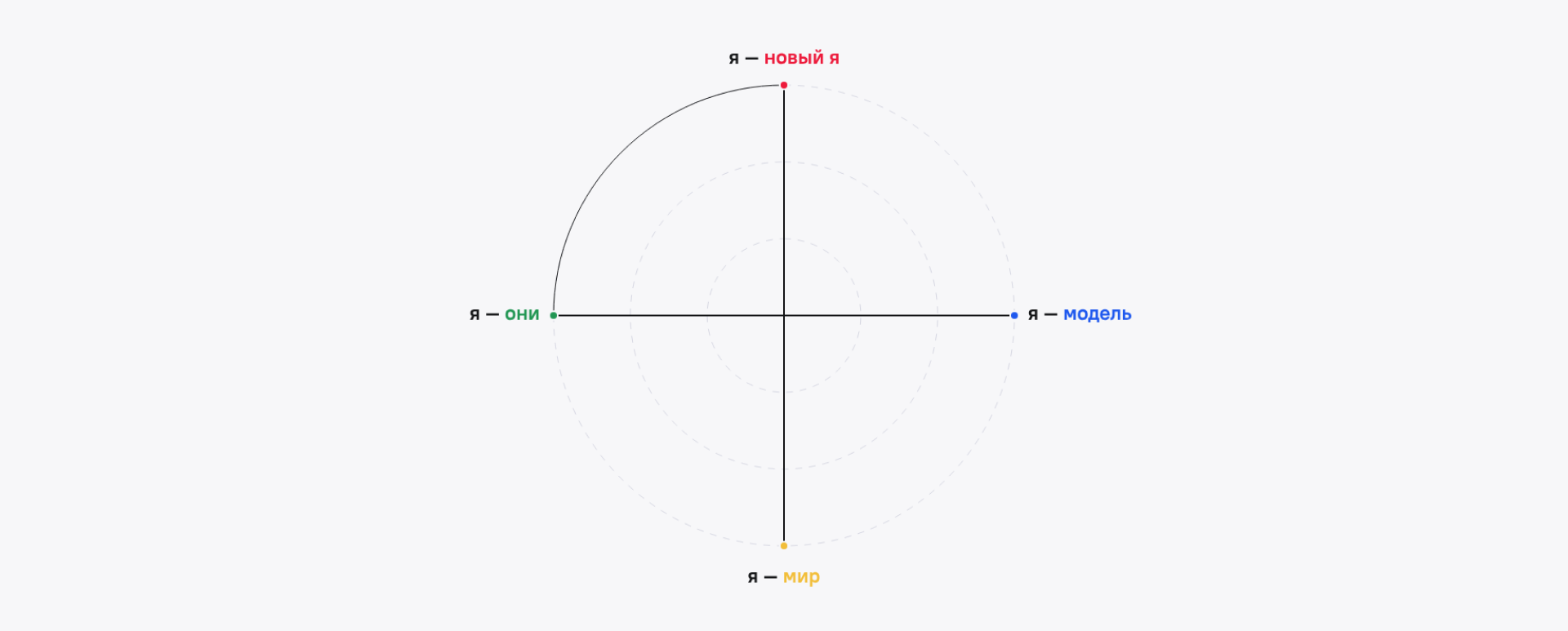
Services are the same thing, but with other people. They’re also about a new self. Reflection helps us here. This New Me is what translates into Russian as “value.” Value is when I (as a result of interacting with the product) have changed in a way I like.
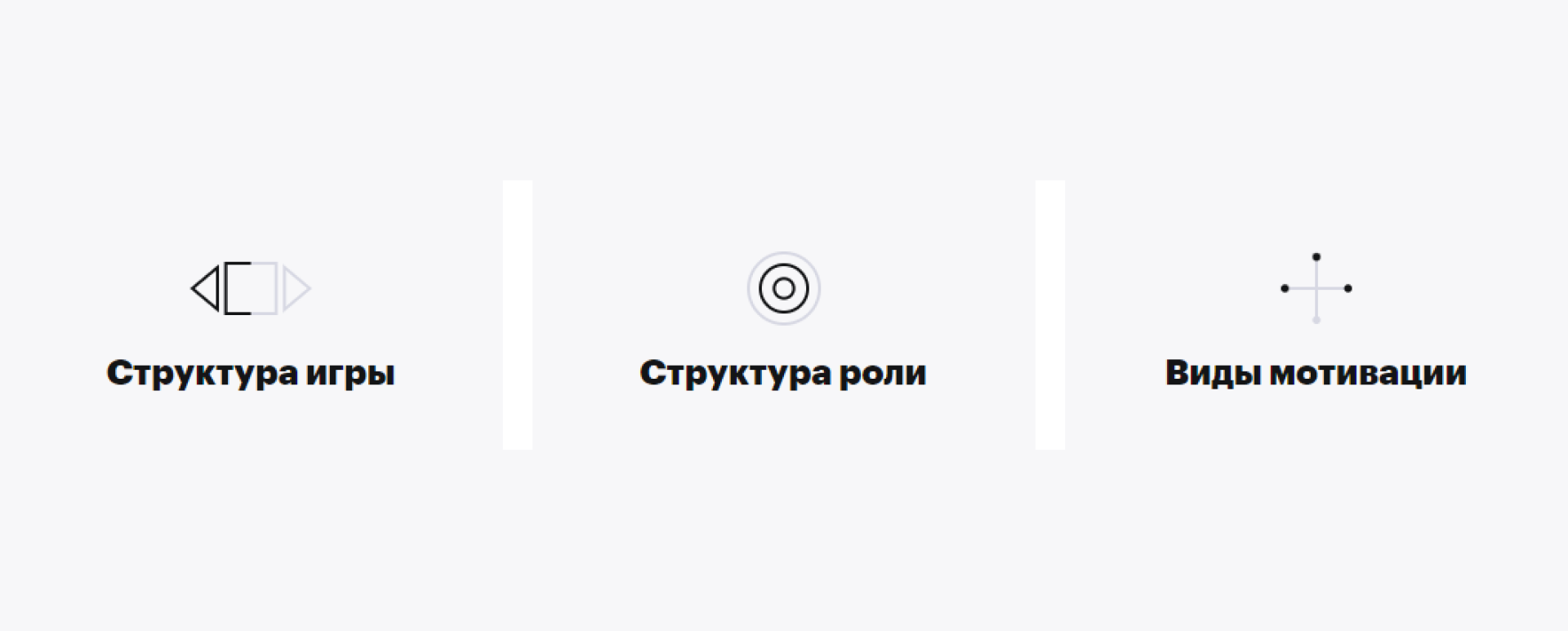
The longer a person interacts with an interface, the more reasons there are to make the game interesting, to bring pleasure.
Value is not only benefit.
When we create a game, a service, or a business, we as organizers own the form. But we have to understand that this form is just a container for content. For the experience that players, or users, or employees will create themselves. We won’t create it, they will, and that is what value in a game is.
That is, the value of a game isn’t in the form we created. The value of a service isn’t in the features we offered. The value of a business isn’t in the regulations we came up with. The value of all these things is in the experience people acquire there, and in what valuable things happen for them in terms of the joy of the game.
People develop over time, they learn to feel new joy. The longer a game lasts, the larger its scale, the more arguments there are that it should learn to give all kinds of that joy. And genre particularities determine which joy everything starts with.
And so, finally, my position: all the best things in life have the property of a game.
They’re voluntary and they exist so that the people who engage in them feel good. And to spoil something, you have to reduce the amount of game in that activity. The easiest way is to break the voluntariness.
For example: there’s school as it ought to be. Of course it should be voluntary, and of course people in it should feel good and interested. At school children should live through captivating experiences on their own. Step on rakes on their own and draw conclusions from it. And look for new, difficult, captivating learning for themselves. And then there’s school as an army. But that one doesn’t solve children’s problems at all, to be honest. It’s a left-luggage room for children while the parents are at work. It’s a game for the parents and the state, and the children in it are tokens. Tokens aren’t supposed to find it interesting.
So if we want to create something valuable, I propose treating participants as players. Players take part in a game voluntarily, for the sake of their own value and interest. Entering the game, they accept the rules. The exit is always open to them. And they stay in the game because they keep being surprised by new joys.
P. S. More books on the topic
A collection of materials from the work of the role-playing games venue “The Dream Game,” held at the fantasy fans’ festival Zilantcon in 2016. It has everything from preparing the event to practical results.
The electronic version is free.
2. “A Handbook for the Moderator of Group Work”
A very sensible manual on how to moderate events. Not about games, but by a game practitioner.
The electronic version is free.
3. “Live Games”
A collection of articles written by me and my colleagues from the “Live Games” collective. In them we describe our experience with applied games.
The electronic version is free.
4. “The Game Practitioner’s Handbook”
Probably the most complete book in Russian by Russian game practitioners who set themselves the task of writing a textbook.
The electronic version is 200 rubles.
We love to talk
And we’d be glad to discuss how to model an experience for your business using our approach. Just write to Alexey Kulakov at kulakov@jet.style.